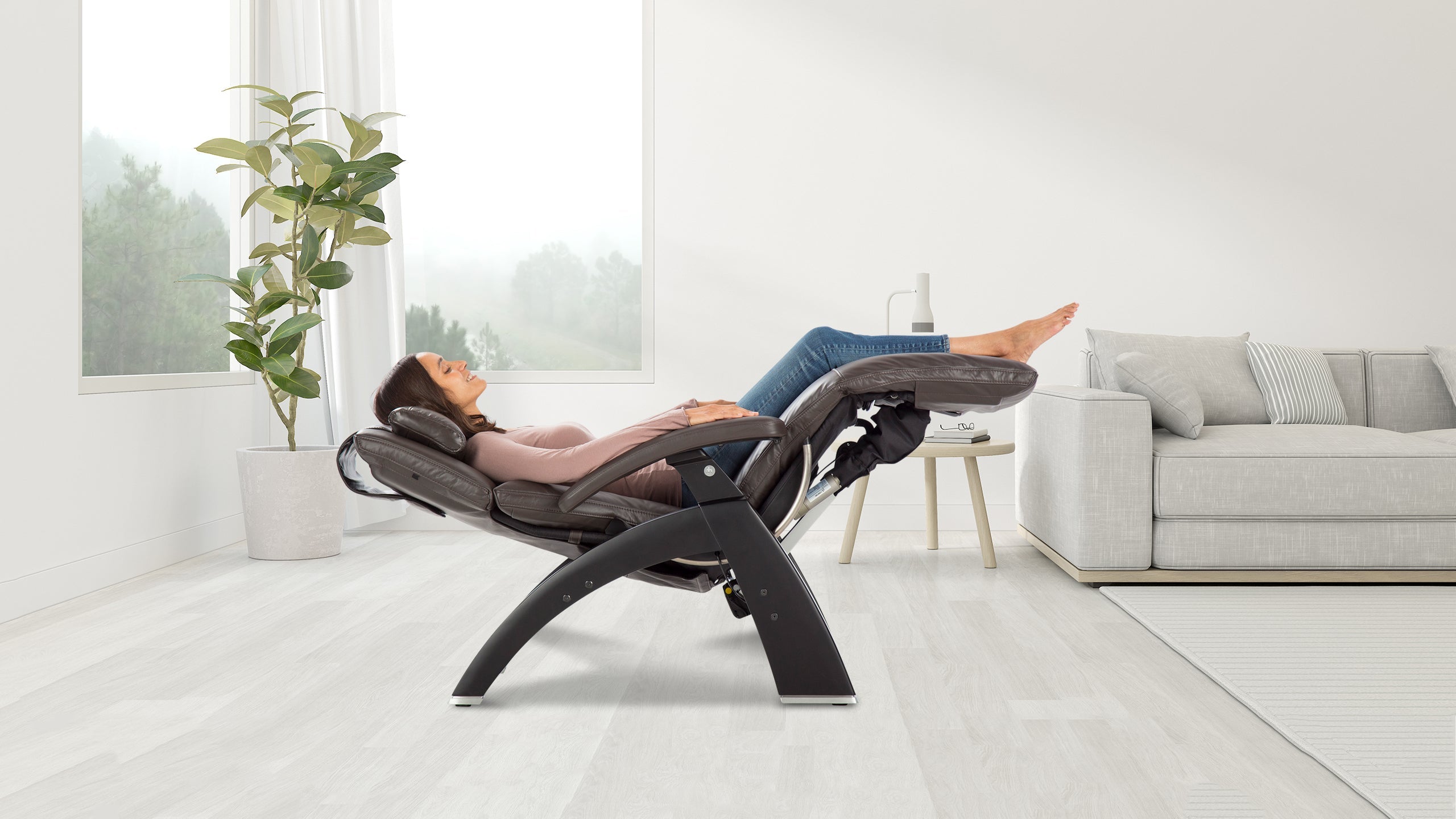
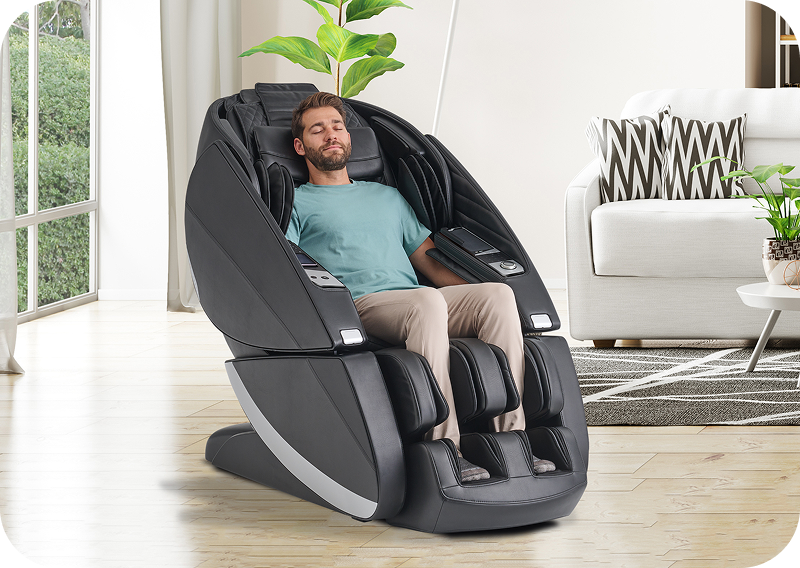

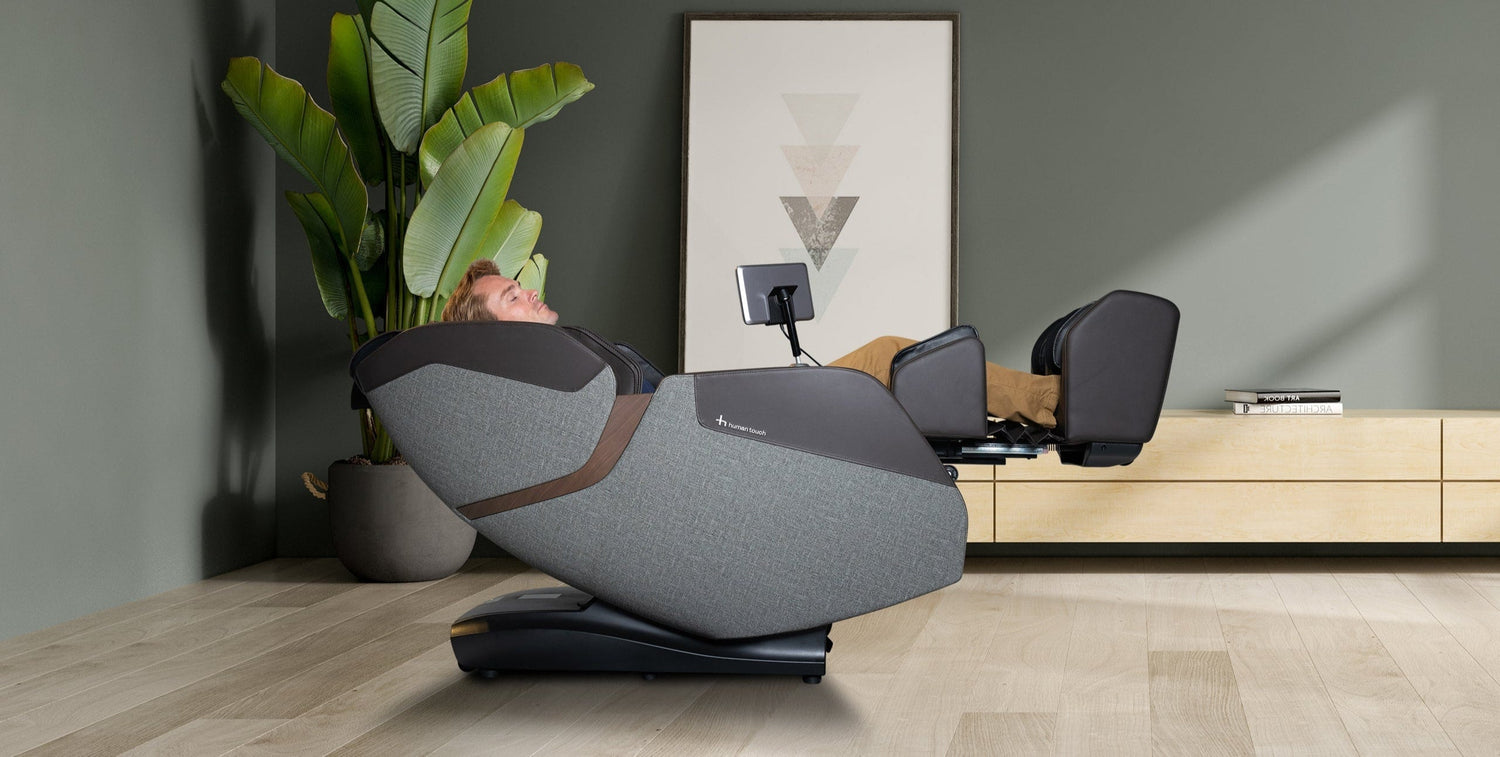
Using a massage chair every day is more than a luxury. It can become a steady part of your wellness routine that helps your body recover, reduce stress, and feel better overall.
When used consistently, it stops being an occasional treat and becomes a daily tool for relaxation, recovery, and energy.
Why Daily Use Matters
Daily use creates small benefits that build up over time.
Regular sessions may help:
- Lower stress and tension
- Improve circulation
- Support muscle recovery
- Help your body relax more easily
Research shows that regular massage can improve stress levels and mood, even when changes are gradual. A 2025 randomized controlled trial on healthcare professionals found significant reductions in stress scores after 6 and 12 sessions, demonstrating psychological benefits even when physiological markers remained stable in that specific study (A Randomized Controlled Trial on the Impact of Automated). Daily 15-minute sessions are recommended for optimal recovery and stress reduction, particularly with zero gravity massage chairs (The Science-Backed Benefits of Regular Massage Chair Use).
The most important factor is consistency.
Morning: Start the Day Energized
A short morning session helps wake up your body and mind.
Best time: 6 to 8 AM
Length: 10 to 12 minutes
Intensity: Light to moderate
Benefits:
- Helps loosen muscles after sleep
- Boosts circulation
- Supports alertness and focus
Stick to gentle programs like rolling or tapping. The goal is to wake up your body, not work it deeply.
A helpful habit is using your chair right after your morning coffee or before starting work to influence:
- Cortisol Optimization: Gentle morning massage helps regulate the body’s natural cortisol awakening response.
- Circulation Boost: Tapping and rolling stimulate blood flow, preparing muscles for activity.
- Zero Gravity Stretch: Counteracts overnight spinal compression, improving posture and flexibility (Zero Gravity Bed: What Are They & What Are the Benefits?).
- Habit Stacking: Integrate the session immediately after morning coffee or before checking emails to build consistency (Habit stacking: What is it, and how can it help you “undo” | Jacuzzi®).
Midday: Reset Your Energy
The middle of the day is when stress and fatigue often build up, especially from sitting or screen time.
Best time: 2 to 3 PM
Length: About 15 minutes
Intensity: Moderate
Benefits:
- Releases neck, shoulder, and back tension
- Helps reduce afternoon fatigue
- Improves focus and mental clarity
This is a great time for targeted relief that focuses on tight areas from sitting.
Think of it as a quick reset for your body and mind to work through:
- Targeted Relief: Shiatsu techniques address specific tension points from prolonged sitting.
- Productivity Boost: Midday massage can reduce cortisol and increase serotonin/dopamine, improving focus and problem-solving (Boost Focus at Work with Short Massage Breaks).
- Micro-Recovery Protocol: Combines varied techniques to effectively reset physical and mental states.
Post Workout: Recover Faster
After exercise, your body needs time to recover. A massage chair can help speed up that process.
Best time: Within 30 to 60 minutes after exercise
Length: 18 to 20 minutes
Intensity: Moderate to deeper, focused on worked muscles
Benefits:
- Reduces muscle soreness
- Supports faster recovery
- Helps improve flexibility
Using alternating pressure levels can help release tightness and support recovery after training. You can optimize this with:
- Optimal Timing: Within 60 minutes post-exercise for maximum benefit (Best Time for a Post-Workout Massage).
- DOMS Reduction: Massage reduces muscle soreness by up to 37.5%, especially when applied before DOMS develops (Does massage get rid of DOMS? - Rehab Hero).
- Lymphatic Support: Compression and rolling aid in clearing metabolic byproducts (Lymphatic Drainage Massage: What It Is & Benefits - Cleveland Clinic).
Evening: Wind Down for Better Sleep
Evening sessions help your body shift into rest mode.
Best time: 60 to 90 minutes before bed
Length: Around 20 minutes
Intensity: Light and relaxing
Benefits:
- Helps calm the nervous system
- Supports relaxation after a long day
- Can improve sleep quality
Use slow and gentle programs to help your body unwind. Pairing it with low lighting or calming scents can enhance the effect.
Daily Routine Overview
| Session Timing | Primary Goal | Recommended Duration | Intensity Level | Key Techniques | Best For |
|---|---|---|---|---|---|
| Morning (6-8 AM) | Energy & Activation | 10-12 minutes | Gentle to Moderate | Tapping, Rolling, Zero Gravity Stretch | Executives, Professionals, Early Risers |
| Midday (2-3 PM) | Stress Reset | 15 minutes | Moderate (focused) | Shiatsu (neck/shoulders/back), Gentle Rolling | Desk Workers, Students, High-Stress Occupations |
| Post-Workout (Within 60 min) | Recovery | 18-20 minutes | Moderate to Deep (muscle-specific) | Compression, Rolling, Percussion | Athletes, Fitness Enthusiasts, Active Agers |
| Evening (60-90 min before bed) | Sleep Optimization | 20 minutes | Gentle, Rhythmic | Swedish, Gentle Full-Body, Zero Gravity Recline | Anyone with Sleep Challenges, Stress Reduction |
| Flexible (As Needed) | Pain Management | 15 minutes | Varied (focused) | Targeted Deep Tissue, Heat Therapy | Chronic Pain Sufferers, Injury Recovery |
Make It Fit Your Lifestyle
You do not need to do all four sessions every day. Start small and build consistency.
A simple approach:
- Weeks 1 to 2: One session per day
- Weeks 3 to 4: Add a second session if it feels right
- After that: Adjust based on your needs
Match your routine to your goals:
- Stress relief: morning and evening
- Fitness recovery: post workout focus
- Desk work: midday reset
Tips to Stay Consistent
Consistency is what creates results.
Try:
- Setting a daily reminder
- Linking it to an existing habit like coffee or bedtime
- Keeping sessions short and manageable
- Switching programs to stay engaged
Even 10 to 15 minutes a day can make a real difference over time.
Key Takeaways
- Daily use builds better results than occasional use
- Short, consistent sessions work best
- Timing changes the benefit you get
- Morning boosts energy, midday resets stress, evening supports sleep
- Results build gradually with consistency
Final Thought
A massage chair works best when it becomes part of your daily routine.
It does not need to be complicated. Just a few minutes each day can help you move better, recover faster, and feel more balanced.
Over time, it becomes an easy way to support your body every single day.
Frequently Asked Questions
How long should I use my massage chair each day for optimal results?
For optimal results, use your massage chair for 15-20 minutes daily. Consistency is more critical than duration; daily, shorter sessions yield superior cumulative benefits for stress reduction and physical recovery compared to longer, infrequent sessions (The Science-Backed Benefits of Regular Massage Chair Use).
Is it better to use a massage chair before or after a workout?
It is generally better to use a massage chair after a workout to enhance recovery. Post-workout massage, ideally within 30-60 minutes, significantly reduces inflammation and delayed onset muscle soreness (DOMS) by up to 37.5%, accelerating muscle repair (Best Time for a Post-Workout Massage). Pre-workout massage, especially deep tissue, can increase injury risk by over-relaxing muscles before exertion.
Can I use my massage chair multiple times per day?
Yes, you can safely use your massage chair multiple times per day, typically 2-3 sessions, with proper spacing. This allows for targeted benefits throughout the day, such as morning activation, midday stress relief, and evening relaxation, without over-stimulating muscles.
What intensity should I use for different times of day?
Adjust intensity based on the time of day and your goal: use gentle-to-moderate intensity in the morning for activation, moderate-to-firm on targeted areas midday for tension relief, moderate and muscle-specific post-workout for recovery, and gentle-to-rhythmic in the evening to promote sleep.
How long does it take to see benefits from daily massage chair use?
You can experience immediate benefits such as stress reduction and relaxation. More profound changes, like improved sleep quality, typically manifest within 1-2 weeks, significant pain reduction in 3-4 weeks, and optimized athletic performance within 6-8 weeks, as consistent use builds cumulative effects. Explore things to consider before buying a massage chair.
Should I adjust my massage chair routine as I get more experienced?
Yes, you should adjust your massage chair routine as you gain experience and your body adapts. Start with a single daily session, then consider adding a second session after 2-3 weeks, and gradually increase intensity or explore different programs to prevent plateaus and continuously optimize benefits
Key Terms Glossary
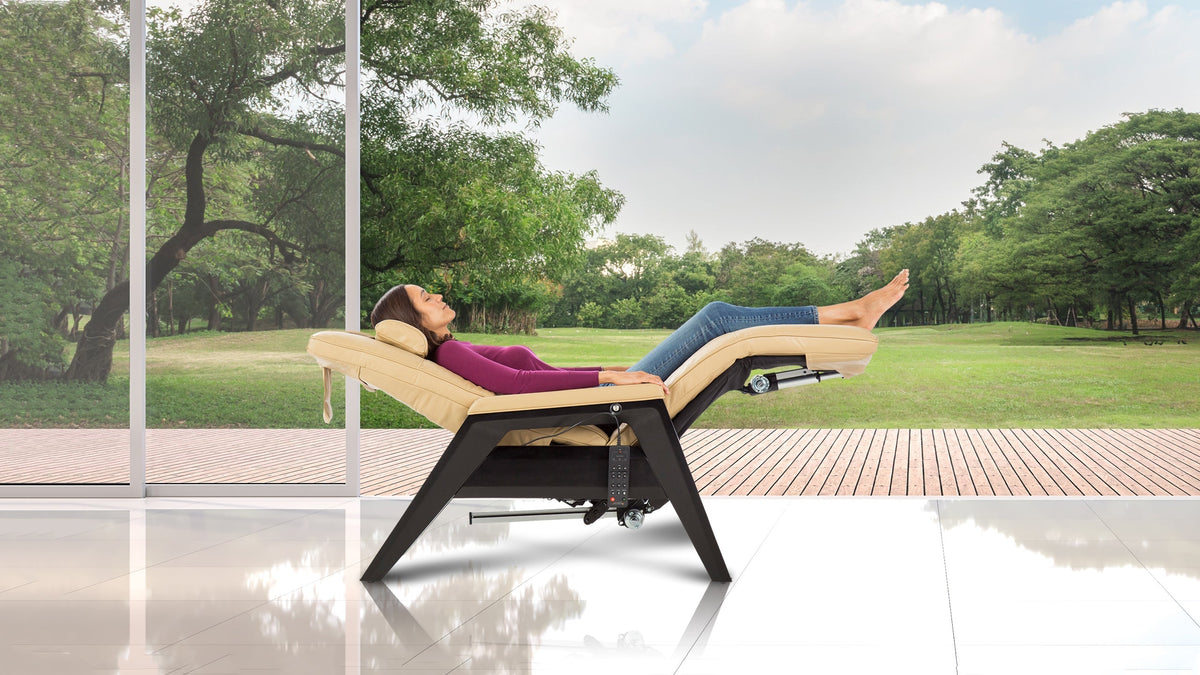
Zero Gravity: A reclined position that elevates the legs above the heart, distributing body weight evenly to minimize spinal pressure and improve circulation.
Parasympathetic Activation: The process of stimulating the "rest and digest" part of the nervous system, leading to relaxation, reduced heart rate, and improved digestion.
Cortisol Optimization: The regulation of cortisol levels, the body's primary stress hormone, to maintain a healthy balance for energy and stress response.
Delayed Onset Muscle Soreness (DOMS): Muscle pain and stiffness that typically occurs 24-72 hours after unaccustomed or strenuous exercise.
Shiatsu: A Japanese massage technique that uses rhythmic finger, thumb, and palm pressure to stimulate acupressure points and promote energy flow.
Chromatherapy: The use of colored light to influence mood and well-being, often integrated into massage chairs for enhanced relaxation or invigoration.
Delta Brain Wave Activation: The induction of very slow brain waves (0.1-4 Hz) associated with deep, restorative sleep and healing processes.
Habit Stacking: A habit formation strategy where a new habit is added immediately before or after an existing, established routine.