
As more people prioritize everyday wellness, the idea of owning a high-quality massage chair has shifted from indulgence to intention. For busy professionals, people managing ongoing aches and pains, and those working from home, a massage chair can be a meaningful investment in both long-term health and overall comfort. Using updated 2026 data, this article explores how owning a massage chair can support well-being while also helping reduce long-term health-related expenses.
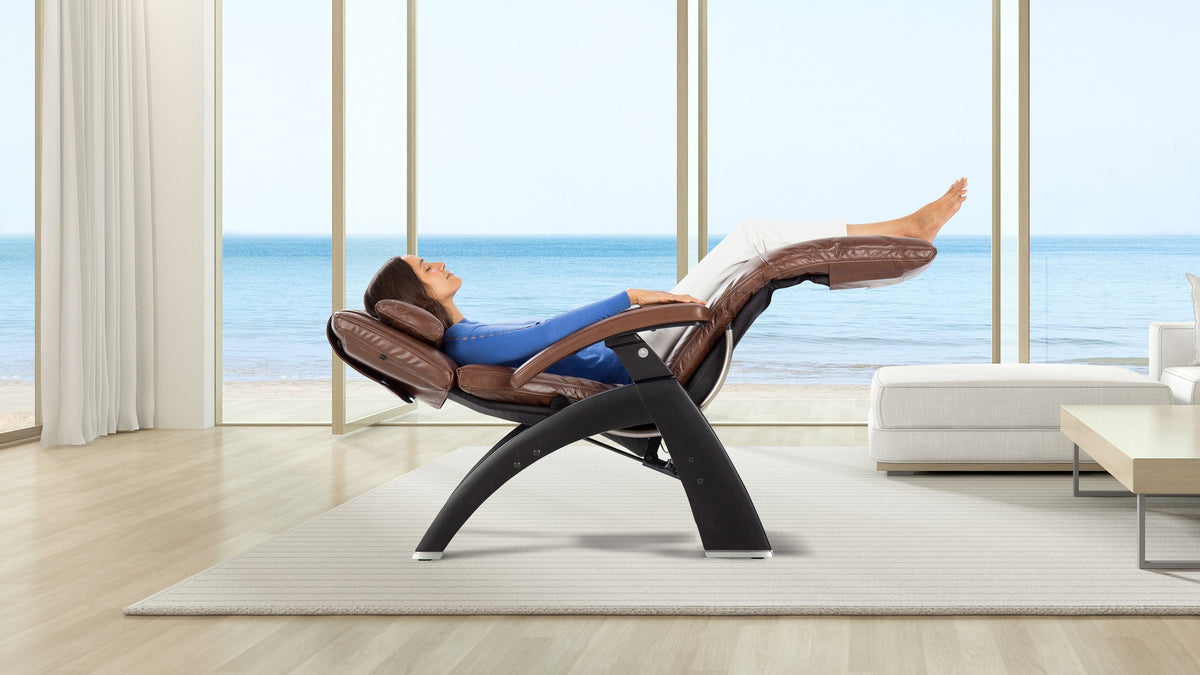
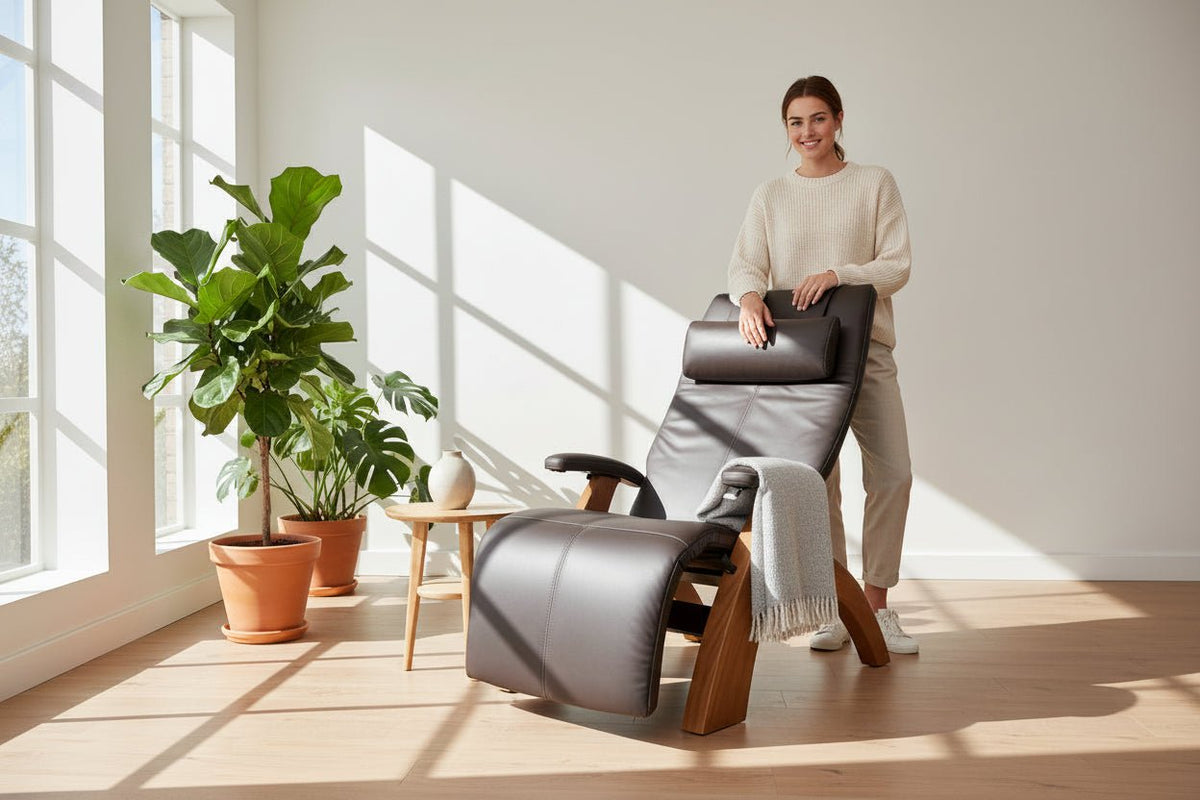
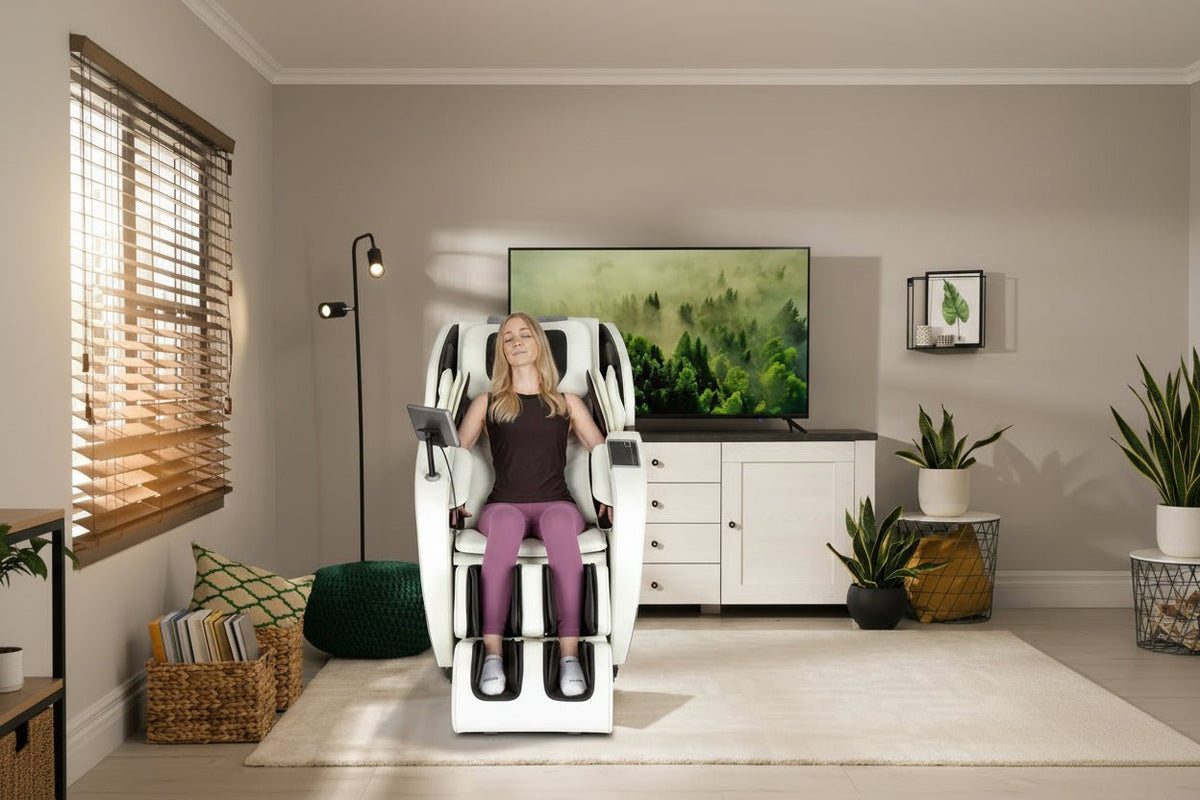
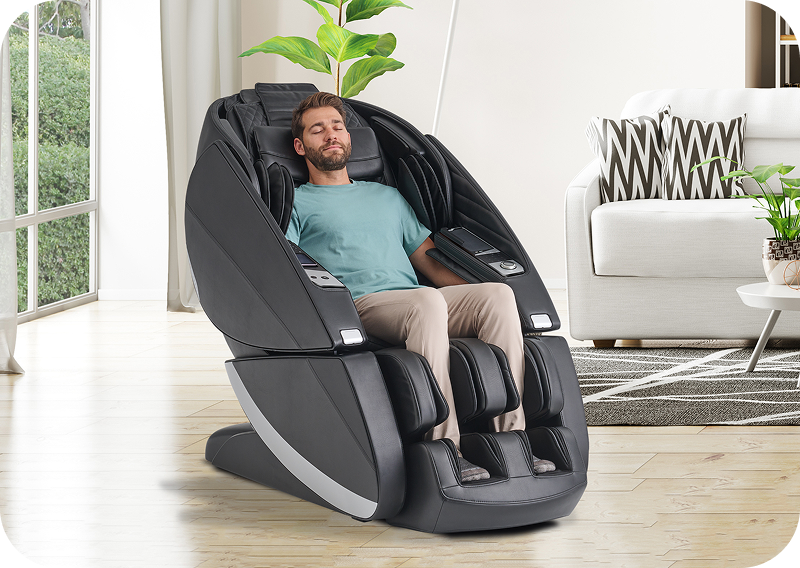
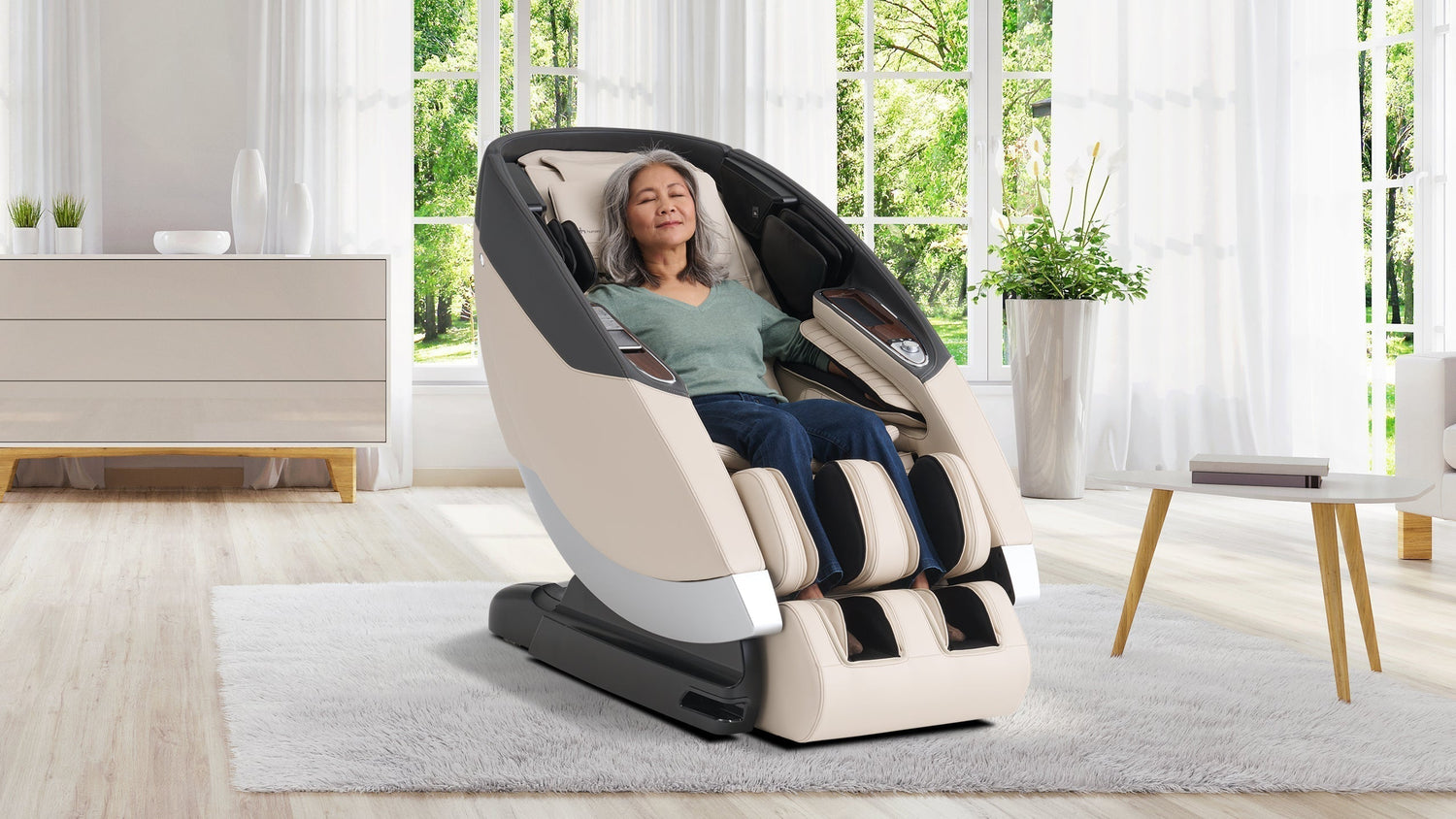
A massage chair is a thoughtfully designed piece of home wellness equipment that delivers therapeutic massage and relaxation benefits on demand. Many models include features like zero-gravity positioning, soothing heat, and intelligent body scanning that adapts each session to you. The result is consistent, professional-grade relief in the comfort of your own home, making it easier to care for your body on a regular basis.
The True Cost of Untreated Pain: Why Prevention Matters
When pain is ignored or managed reactively, the costs add up quickly, both financially and personally. By 2026, healthcare spending on musculoskeletal conditions in the UK is expected to reach $15.5 billion annually, representing nearly 15 percent of total medical expenditures in group health plans according to WeCover. These numbers highlight just how common and costly chronic pain has become.
The impact goes beyond medical bills. Each year, more than millions of working days are lost in the US due to musculoskeletal issues. On an individual level, chronic back pain alone accounts for roughly $4,000 per person in lost productivity, with lifetime costs reaching as high as $4.7 million for those forced to shorten their careers.
At the same time, the rise of remote work has increased awareness around home wellness, with personal wellness investment growing by 47 percent since 2020 as people look for ways to counteract long hours of sitting and daily stress.
Massage Chair Investment Tiers: What You Can Expect
Massage chairs are available across a range of price points, each offering different levels of comfort, technology, and long-term value. Understanding these tiers can help you choose a chair that fits both your needs and your lifestyle.
Entry-level ($1,000–$2,000):
These chairs focus on basic relaxation and short sessions of relief. With a typical lifespan of 3–5 years, they work well for occasional use but offer limited therapeutic support for chronic pain.
Mid-range ($2,000–$8,000):
Mid-range chairs often introduce zero gravity positioning, heat therapy, and more massage techniques. They are a solid option for general wellness and mild, recurring discomfort.
Premium therapeutic chairs ($8,000 & up):
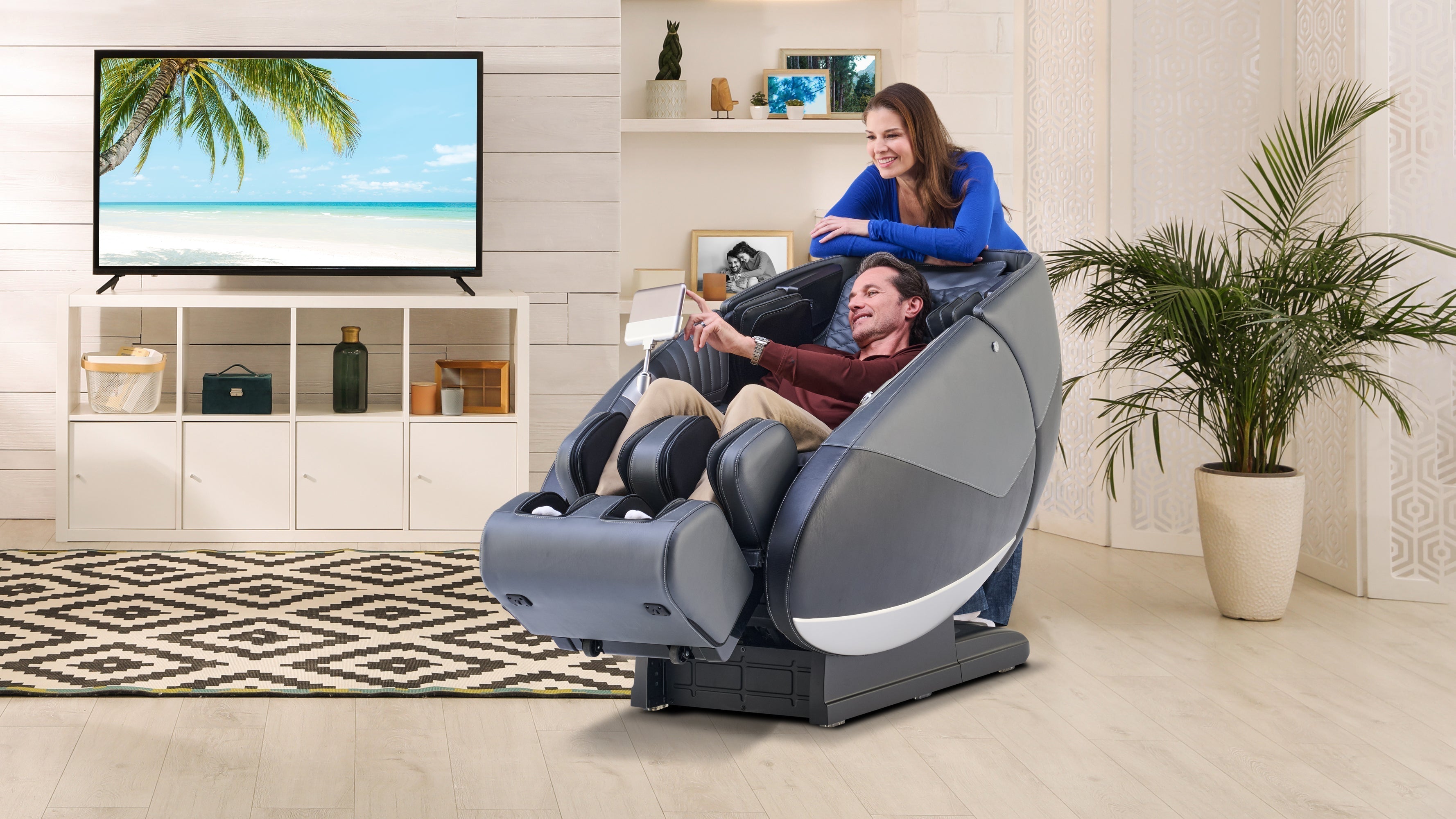
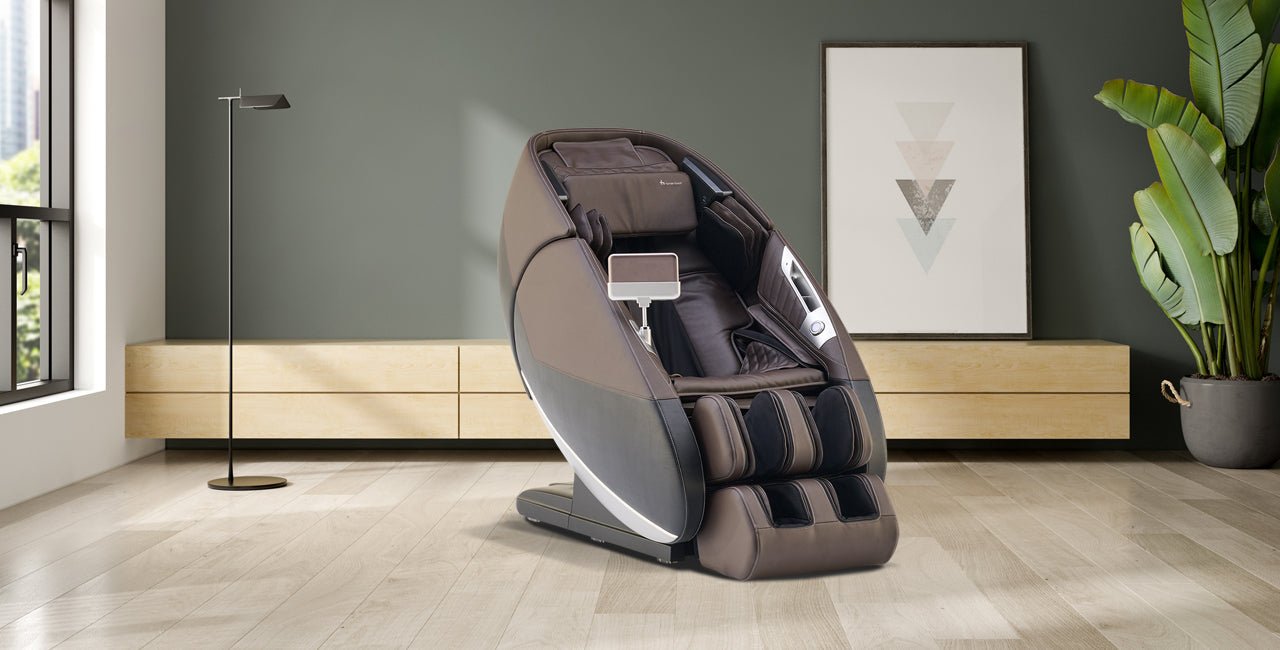
Premium models, such as the Human Touch Super Novo X and Novo Flex, are designed for long-term therapeutic use. Features like AI body scanning, app connectivity, and durable construction support a 10–15 year lifespan. These chairs are built to deliver consistent, professional-grade recovery at home.
Over a 10-year period, total ownership costs for a premium chair typically include the purchase price, shipping costs of $350–$1,000, and energy costs of about $40–$75 per year. While the upfront investment is higher, the extended lifespan and daily usability significantly increase long-term value.
When a Massage Chair Starts Paying for Itself
One of the clearest advantages of owning a massage chair becomes apparent when you compare it to ongoing professional treatments. Regular visits to massage therapists, physical therapists, or chiropractors can quickly exceed the cost of a chair.
Professional massage comparison:
In 2026, a single professional massage typically costs $75–$125. Weekly sessions can add up to $4,000–$6,000 per year. A premium massage chair priced around $8,000 can reach its break-even point in as little as 12–18 months when used in place of regular appointments.
Physical therapy alternative:
Back pain treatment often involves multiple sessions, usually 8–12 visits at $55–$80 each, repeated two to three times per year. That totals $900–$2,900 annually.
Chiropractic care costs:
With typical session costs of $50–$100, bi-monthly chiropractic care can reach $1,200–$2,400 per year.
Simple ROI formula:
(Annual therapy costs you replace minus annual chair costs) × years of use = total potential savings.
10-Year Cost Comparison
| Therapy Type | Year 1 Cost | 10-Year Total | Convenience | Therapeutic Scope |
|---|---|---|---|---|
| Premium Massage Chair (Human Touch) | $8,000 | $8,000 | Unlimited, at-home use | Full body, personalized, preventative |
| Weekly Professional Massage | $3,900–$6,500 | $39,000–$65,000 | Scheduled visits, travel required | Targeted, varies by therapist |
| Bi-weekly Physiotherapy | $900–$2,900 | $9,000–$29,000 | Appointments and travel | Injury and rehab focused |
| Monthly Chiropractic Care | $1,200–$2,400 | $12,000–$24,000 | Appointments and travel | Spinal and joint care |
| Pain Medication + Occasional PT | $1,050–$1,900 | $10,500–$19,000 | Daily medication | Symptom management |
| No Treatment | $4,000–$8,800+ | $40,000–$88,000+ | None | Escalating pain and decline |
Key Takeaways
- Ongoing pain can quietly lead to significant long-term costs
- Premium massage chairs often pay for themselves within 12–18 months
- Regular use supports better sleep, reduced medication reliance, and fewer injuries
- Financing options can make ownership more accessible
- Human Touch chairs are designed for consistent, long-term wellness support
Conclusion
A massage chair is more than a comfort upgrade. It is a practical way to support your body, manage daily stress, and take a more proactive approach to wellness. As healthcare costs rise and modern lifestyles place more strain on the body, having reliable, at-home recovery becomes increasingly valuable.
By offering consistent, personalized relief whenever you need it, a Human Touch massage chair helps reduce dependence on external treatments while supporting long-term comfort and mobility. For those focused on feeling better today and staying active for years to come, the value extends well beyond the numbers.