



Dr. Steve Nandekeshwar | Human Touch
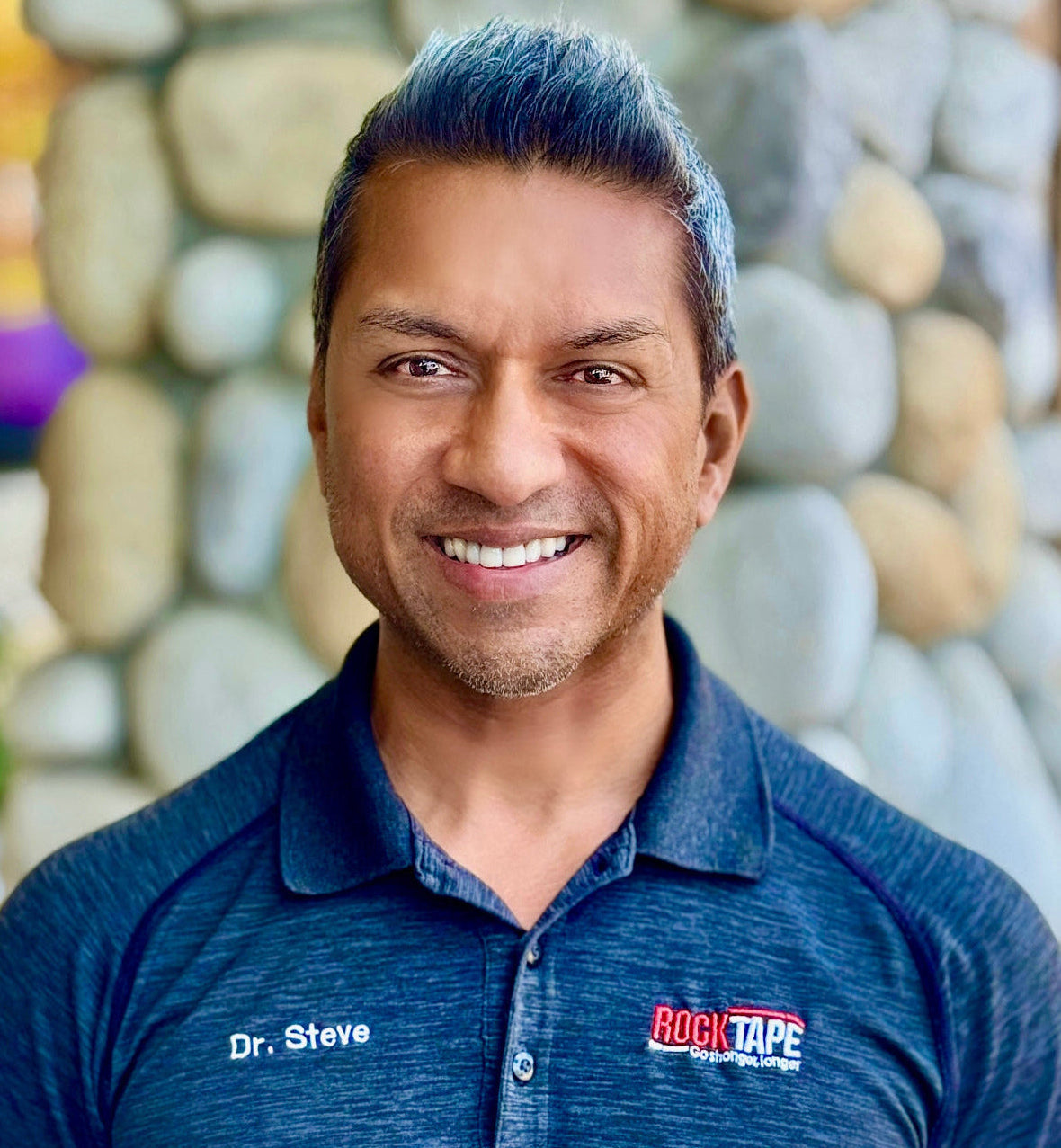
Dr. Steve Nandekeshwar
Doctor of Chiropractic
Dr. Steve Nandekeshwar, D.C., is a chiropractor and wellness expert with more than 20 years of experience helping individuals reduce pain, improve mobility, and build healthier, more active lives. A graduate of Life West University, Dr. Steve founded Dr. Steve Wellness with a philosophy centered on identifying root causes rather than simply treating symptoms. His approach blends chiropractic care with movement, strength, and lifestyle guidance to support long-term, functional well-being.
In addition to his chiropractic training, Dr. Steve is a Certified Personal Trainer through the National Academy of Sports Medicine. This dual background allows him to integrate rehabilitation, performance, and preventive care into a single, personalized experience for his patients. Known for his approachable style and practical guidance, he works with a wide range of individuals, from athletes to those seeking everyday pain relief and improved quality of life.
Dr. Steve is also a proud member of the Human Touch Wellness Council, where he contributes his clinical insight to support innovation in therapeutic wellness solutions. As part of the Council, he helps advance education around recovery, injury prevention, and proactive self-care, aligning closely with Human Touch’s mission to empower people to feel and live better every day.
Wellness Tips from Dr. Steve Nandekeshwar
After more than 25 years in chiropractic care, Dr. Steve Nandkeshwar has seen a clear pattern emerge in how modern life affects the body. While the symptoms vary from stiffness to fatigue to chronic tension, the root cause is often surprisingly consistent: how we sit, move, and recover throughout the day.
"Most people are sitting for long periods without realizing the impact it has," he warns, "It usually starts with commuting, then continues at a desk for eight to ten hours. Over time, that really adds up."
In his Bay Area practice, he sees how quickly those daily habits translate into discomfort, especially when posture and ergonomic support aren’t prioritized. It’s not one dramatic moment that causes strain, but the accumulation of small, repeated stresses over time.
One of the most common areas Dr. Nandkeshwar treats is also one of the most overlooked: the neck and shoulders.
“That’s where I see stress show up the most,” he says. “People are constantly on devices, working, or mentally engaged, and the body holds onto that.”
What surprises many patients, he adds, is how physical stress really is. It doesn’t stay abstract. It shows up in tight muscles, reduced mobility, and persistent tension patterns that can build gradually.
Small changes in daily habits, like adjusting workstation height, improving posture awareness, and stepping away from screens can help interrupt that cycle before it becomes chronic.
Why recovery matters more than most people realize
While many people associate recovery with athletes, Dr. Nandkeshwar emphasizes that it plays a role in everyone’s health, regardless of activity level.
“Recovery isn’t optional... it’s part of how the body stays balanced,” he explains. “Even if you’re not working out intensely, your body is still under daily stress.”
That stress might come from sitting, standing, commuting, or simply managing a full schedule. Without recovery, muscles tend to stay tight, circulation slows, and the body becomes less efficient at moving the way it should.
Simple, consistent habits make the difference here: stretching throughout the day, changing positions often, and staying hydrated.
Massage as more than relaxation
Massage is often viewed as a luxury or occasional indulgence, but clinically, Dr. Nandkeshwar sees it as a functional tool for supporting mobility and muscle health.
“Massage helps reduce muscle tension, improve circulation, and allow the body to move more freely,” he says. “It also complements chiropractic care by helping the muscles stay relaxed after an adjustment.”
Beyond physical relief, massage can also improve body awareness, helping people recognize where they hold tension and how their posture or habits may be contributing to it.
For long-term wellness, he typically recommends incorporating massage on a consistent basis rather than waiting until discomfort builds.
Supporting the body between visits
When it comes to maintaining progress outside the clinic, Dr. Nandkeshwar encourages patients to keep things simple and sustainable.
“I always recommend a basic mobility routine at home,” he says. “Targeted stretching, foam rolling for trigger points, and staying properly hydrated are key.”
These small actions help reinforce in-office treatment and support the body’s ability to recover more efficiently over time. The goal is not complexity, it’s consistency.
As part of a broader wellness strategy, Dr. Nandkeshwar also sees value in supportive tools that make recovery easier to maintain at home.

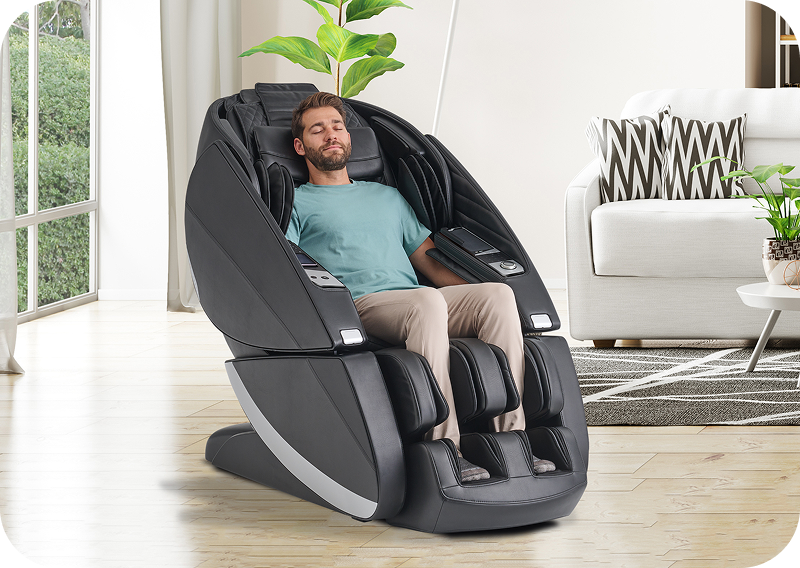
Massage chairs and ergonomic recliners can absolutely play a role in long-term wellness. They help reduce stress, ease muscle stiffness, and support relaxation in a consistent way.
In his view, these tools are most effective when they fit naturally into daily routines, helping the body reset after long hours of sitting, activity, or mental strain.
The value of zero gravity positioning
One of the most effective positions for spinal relief, according to Dr. Nandkeshwar, is the zero gravity posture found in recliners like the Human Touch Perfect Chair.
“What makes it so beneficial is how it unloads the spine,” he says. “When your legs are elevated and your body is fully supported, pressure comes off the lower back and circulation improves.”
He describes the sensation as a kind of full-body release, where gravity feels more evenly distributed and the muscles can finally relax without effort.
“It puts the spine in a neutral position, almost like the body is floating,” he adds.
Building a routine that actually lasts
When it comes to wellness routines, Dr. Nandkeshwar emphasizes that simplicity is what leads to consistency.
“Start with the basics... movement, stretching, hydration,” he says. “You don’t need anything complicated to feel a difference over time.”
A few minutes of daily mobility work, light foam rolling, and regular movement breaks throughout the day can have a cumulative effect on how the body feels and functions.
The principle he returns to most often
If there’s one message he repeats more than any other, it’s this:
“Move. Move. And keep moving.”
According to Dr. Nandkeshwar, many of the musculoskeletal issues he sees today are not caused by injury, but by inactivity.
“The body is designed to move,” he says. “When it doesn’t, everything starts to stiffen and compensate.”
A simple perspective on long-term health
For Dr. Nandkeshwar, spinal health isn’t defined by a single treatment or tool. It’s shaped by daily habits, recovery practices, and awareness of how the body is used over time.
The goal is not perfection, but balance: moments of movement, moments of rest, and consistent support in between.
Because, as he puts it, “how you care for your body every day is what determines how it feels years from now.”