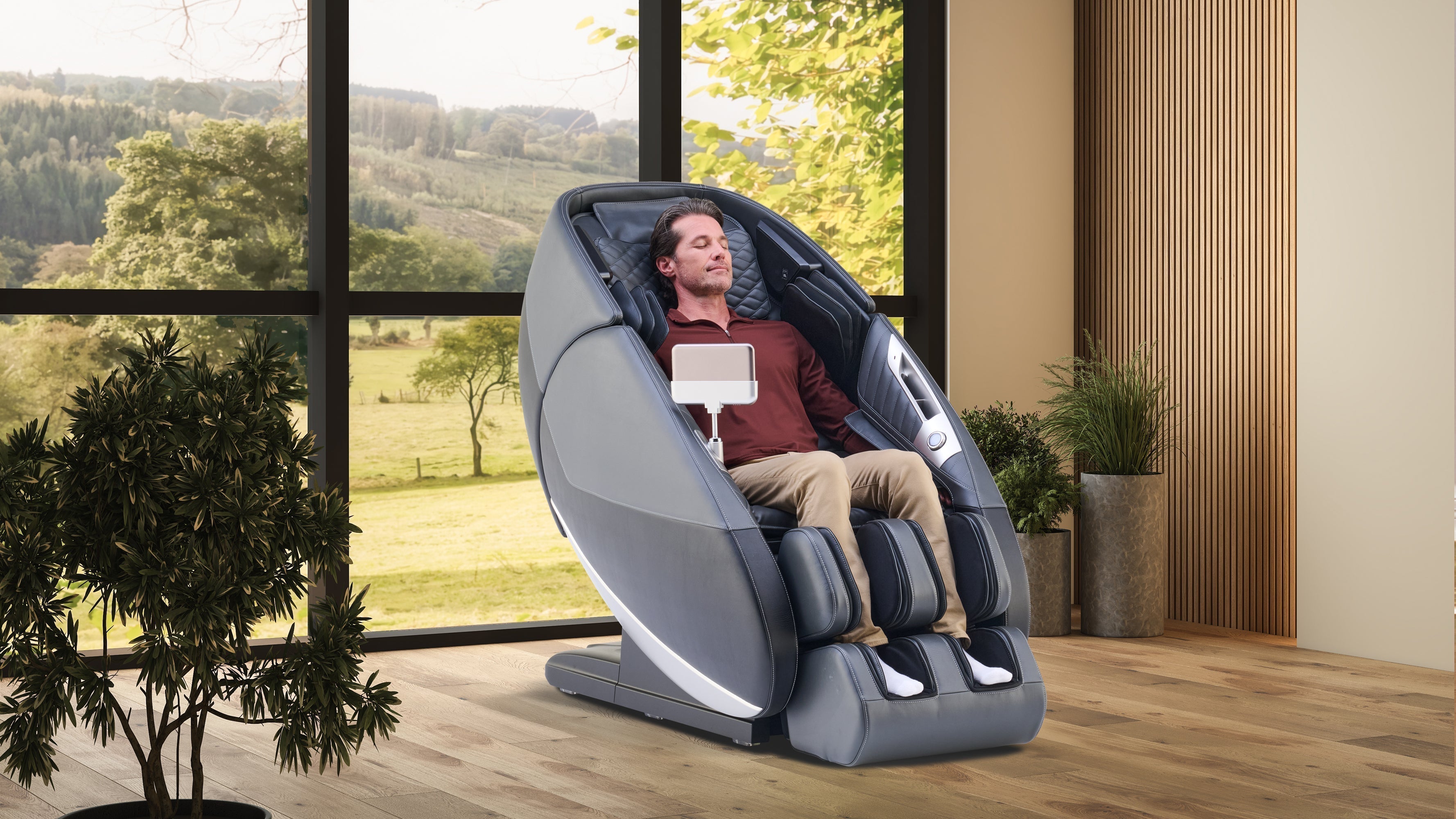
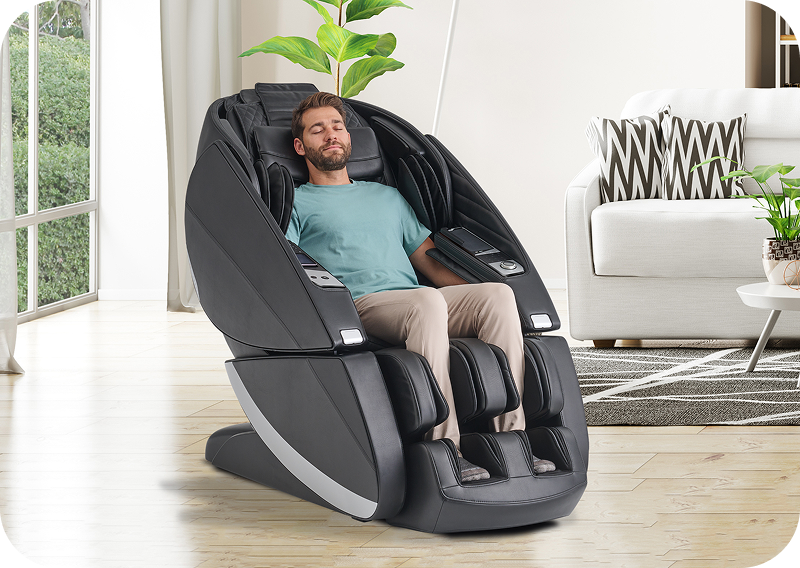


Quick Answer: Ergonomic recliners help seniors manage chronic pain and mobility challenges by supporting proper posture, reducing pressure on the spine and joints, and assisting with safe sitting and standing. Recliners with zero gravity positioning, power lift assistance, and adjustable lumbar support offer the greatest therapeutic benefits for conditions such as arthritis, lower back pain, and limited mobility.
For seniors experiencing chronic pain or limited mobility, choosing the right seating solution can make a meaningful difference in daily comfort, independence, and overall quality of life. Ergonomic recliners offer therapeutic benefits beyond those of traditional chairs. They are intentionally designed to reduce pressure, support healthy posture, and make sitting down and standing up easier. As a leader in wellness-focused seating, Human Touch understands how thoughtfully designed recliners can support aging adults in everyday life.
Chronic pain affects a large portion of older adults. In 2023, 36 percent of Americans aged 65 and older reported living with chronic pain, and 13.5 percent experienced high-impact chronic pain that frequently limited daily activities, according to McKnight’s. This guide explains how ergonomic recliners can help relieve pain, support mobility, and promote greater independence for seniors.
Understanding Ergonomic Recliners for Pain Management
An ergonomic recliner differs from a standard recliner through its focus on body alignment and pressure relief. These chairs are designed to support the body’s natural posture while reducing strain on joints and muscles. Common features include adjustable lumbar support, appropriate seat depth, and multiple positioning options that help keep the spine and joints properly aligned.
Proper positioning plays a major role in reducing stress on the spine and joints. Clinical research published between 2025 and 2026 continues to support the benefits of precise body alignment, particularly in zero gravity positions. This posture distributes body weight more evenly and reduces compressive forces on spinal discs, which can help ease chronic discomfort.
Many ergonomic recliners also include therapeutic features such as power lift assistance, zero gravity positioning, heat therapy, and massage functions. When combined, these features can provide well-rounded support for pain relief and mobility.
Mobility limitations affect many seniors as well. Up to 40 percent of adults aged 65 and older experience some form of mobility limitation, according to a study published in Age and Aging. Ergonomic recliners are designed with these challenges in mind.
Critical Features for Limited Mobility and Chronic Pain
When selecting an ergonomic recliner, it is important to focus on features that directly support mobility, safety, and pain relief.
- Power Lift Mechanisms: These systems gently raise the chair from a seated or reclined position to help users stand without excessive strain. They are especially helpful for fall prevention and are commonly designed to support weight capacities between 300 and 600 pounds.
- Zero Gravity Positioning: Inspired by NASA research, this position elevates the feet slightly above the heart to distribute weight evenly across the body. This reduces pressure on the spine and joints, supports circulation, and encourages spinal decompression. The benefits of zero gravity positioning include significant reductions in lumbar disc pressure, according to ErgoQuest research.
- Lumbar and Neck Support Systems: Fixed or adjustable support systems help maintain the spine’s natural curvature. Materials such as memory foam or air cell technology are commonly used. Adjustable lumbar support is widely recognized as important for easing lower back discomfort, according to Miller Waldrop.
- Seat Width and Depth: Proper sizing improves comfort and stability. Most ergonomic recliners offer seat widths between 19 and 29 inches to accommodate different body types.
- Control Accessibility: Easy to use controls are essential. Many recliners offer wired or wireless remotes, and some models include voice control. Battery backup systems allow continued use during power outages.
- Entry and Exit Ease: Seat heights between 17 and 21 inches make transitions easier. Supportive armrests and stable base designs help prevent tipping.
Matching Recliners to Specific Pain Conditions
Different health conditions benefit from different recliner features. Human Touch designs ergonomic recliners with a range of options to address these varying needs.
- Arthritis: Heat therapy, gentle massage, pressure reducing cushioning, and easy to grip controls can help ease joint stiffness and improve comfort.
- Sciatica and Lower Back Pain: Zero gravity positioning is especially helpful for reducing pressure on spinal nerves. Adjustable lumbar support and leg elevation angles between 15 and 30 degrees can further relieve discomfort. Sciatica affects approximately 40 percent of Americans, with most cases improving through conservative approaches such as proper positioning, according to Almaden Family Chiropractic.
- Fibromyalgia: Plush cushioning, customizable firmness, vibration massage, and multi-zone heat can help soothe widespread muscle pain.
- Post-Surgical Recovery: Easy to clean materials and positioning options that promote circulation are important during recovery. Enhanced Recovery After Surgery protocols emphasize early movement and proper positioning, according to BMC Anesthesiology.
- Osteoporosis: Stable bases and gentle lift mechanisms support safer movement and reduce fall risk.
Best Recliner Features by Pain Condition
| Condition | Most Helpful Recliner Features |
|---|---|
| Arthritis | Heat therapy, gentle massage, pressure-relieving cushioning, easy-to-use controls |
| Lower back pain | Zero gravity positioning, adjustable lumbar support, even weight distribution |
| Sciatica | Leg elevation, spinal decompression positioning, lumbar support adjustability |
| Limited mobility | Power lift mechanism, stable base design, supportive armrests |
| Post-surgical recovery | Positioning that promotes circulation, easy-to-clean materials, gradual recline options |
| Fibromyalgia | Full-body cushioning, vibration massage, multi-zone heat therapy |
Top Recliner Types Compared
Several types of ergonomic recliners are available, each offering distinct advantages.
- Power Lift Recliners: Designed for individuals with significant mobility challenges, these chairs assist with standing and sitting. The lift mechanism may qualify as durable medical equipment under Medicare Part B, according to Mair Agency. Typical pricing ranges from $4,000 to $5,500.
- Zero Gravity Recliners: These recliners focus on spinal decompression, circulation support, and pressure reduction. Human Touch offers a range of zero gravity recliners designed to support a neutral body posture. Prices generally range from $2,499 to $5,999.
- Massage Recliners with Lift: These models combine lift assistance with massage and heat therapy. Multiple motors and components provide added therapeutic benefits. Prices typically fall between $4,000 and $5,500.
- Manual Ergonomic Recliners: Manual options provide basic ergonomic support and are suitable for individuals with mild mobility concerns. Pricing often ranges from $400 to $2,400.
Safety and Accessibility Considerations
Safety features play an important role in ergonomic recliner design, especially for seniors.
- Fall Prevention: Wide, stable bases and anti-tip designs help reduce fall risk. Emergency lowering systems add reassurance during power outages. Falls affect one in four older adults each year, with more than half occurring at home, according to the National Council on Aging.
- Control Design: Large buttons, backlit displays, and optional voice activation can improve usability for individuals with arthritis or vision limitations.
- Battery Backup: Backup systems typically provide 8 to 12 lift cycles during outages.
- Caregiver Support: Dual controls and memory settings make operation easier for caregivers.
- Home Setup: A clearance space of about 36 inches around the chair is recommended for safe use.
HSA and FSA Coverage
Many ergonomic recliners and massage chairs may be eligible for purchase using HSA or FSA funds, depending on medical necessity. For more information on the HSA/FSA program offered through Human Touch, please click here.
Maintenance and Long-Term Durability
Routine care helps extend the lifespan of an ergonomic recliner. Quality motors typically last between 7 and 10 years, with some chairs lasting longer when properly maintained, according to Oreateai.
Upholstery care varies by material. Leather benefits from conditioning, microfiber responds well to stain protection, and vinyl offers durability for easier cleanup, according to Recliners India. Warranty coverage often ranges from 3 to 10 years for motors and frames.
Conclusion
An ergonomic recliner can significantly improve comfort, safety, and independence for seniors managing chronic pain or limited mobility. By understanding available features, matching them to specific health needs, and considering long-term durability, families can make confident, informed decisions.
Human Touch remains committed to creating thoughtfully designed wellness solutions that help seniors stay comfortable and active. An ergonomic recliner is not just furniture. It is a supportive tool that can enhance everyday life.
Frequently Asked Questions
Are ergonomic recliners good for seniors with chronic pain?
Yes. Ergonomic recliners are designed to reduce pressure on joints, support proper spinal alignment, and improve circulation. These benefits make them especially helpful for seniors with arthritis, lower back pain, sciatica, and other chronic pain conditions.
What makes zero gravity recliners better for back pain?
Zero gravity recliners position the body with the legs elevated above the heart, which evenly distributes body weight and reduces pressure on the spine. This position supports spinal decompression and can significantly lower stress on lumbar discs compared to standard recliners.
Are power lift recliners safe for seniors?
Yes. Quality power lift recliners are designed with controlled lift speeds, wide stable bases, and anti-tip features to support safe movement. Many models also include battery backup systems to ensure functionality during power outages.
Will Medicare cover a power lift recliner?
Medicare Part B may cover the seat-lift mechanism portion of a power lift recliner if it is prescribed by a physician for severe mobility limitations. Medicare does not cover the full chair or additional features such as massage or heat.
How do I choose the right recliner size for limited mobility?
The right recliner size depends on seat width, seat height, and weight capacity. Seniors should be able to sit with feet flat on the floor and hips fully supported without pressure at the knees. Testing the chair for at least 15 minutes is recommended.
What recliner features help arthritis pain the most?
Heat therapy, gentle massage, pressure-relieving cushioning, and easy-to-grip controls are especially helpful for arthritis. These features reduce stiffness, improve circulation, and minimize joint strain.
Who should avoid using a power lift recliner?
Individuals with significant cognitive impairment or conditions that limit safe, independent operation may require caregiver assistance when using a power lift recliner. A healthcare professional can help determine suitability.
How long do ergonomic recliners typically last?
High-quality ergonomic recliners often last 10 to 20 years, with power lift motors typically lasting 7 to 10 years when properly maintained. Regular cleaning and adherence to weight limits help extend longevity.