
If you’ve ever sat in a massage chair and felt that gentle squeezing around your legs or arms, you’ve already experienced air compression massage.
At first, it might feel a little surprising. Then something shifts. Your body starts to relax, your muscles loosen up, and you realize just how good it feels to have that steady, rhythmic pressure working through your body.
It’s not just about comfort. There’s a reason this type of massage feels so effective.
So What Is Air Compression Massage?
Instead of using rollers or hands, air compression massage uses small air pockets built into the chair. These pockets fill with air and gently press against your muscles, then release, over and over in a smooth rhythm.
It’s a bit like a slow, controlled squeeze that moves through your body.
That simple motion does a lot behind the scenes. It helps improve circulation, reduces that heavy or tired feeling in your muscles, and encourages your body to relax more deeply. Many advanced systems, such as Human Touch's air compression massage chairs, integrate air compression massage chairs with zero gravity positioning.
You don’t have to think about it or adjust anything. You just sit back and let it happen.
| Feature | Air Compression Massage | Traditional Hands-On Massage | Percussion Massage |
|---|---|---|---|
| Pressure consistency and coverage | Highly consistent, full limb/body section coverage via inflatable chambers. | Variable, dependent on therapist skill; localized pressure. | Focused, rapid percussive strokes; localized intensity. |
| Accessibility and convenience | At-home use, on-demand; no appointment needed. | Requires scheduled appointments with a therapist. | At-home use, portable devices; self-application. |
| Session duration flexibility | Easily adjustable for short or extended sessions (e.g., 15-60 min). | Fixed session lengths (e.g., 30, 60, 90 min). | Typically shorter, targeted sessions (e.g., 5-15 min per area). |
| Lymphatic drainage effectiveness | Excellent for sequential, systematic fluid movement per Cleveland Clinic. | Effective with skilled manual lymphatic drainage techniques. | Minimal direct lymphatic drainage; primarily muscle stimulation. |
| Cost per session over time | High initial investment, low per-session cost with frequent use. | High per-session cost, ongoing expense. | Moderate initial investment, very low per-session cost. |
Why That Gentle Squeezing Feels So Relaxing
There’s something about consistent pressure that helps your body let go of tension.
With air compression, the pressure moves in a pattern. It might start at your feet and work upward, or focus on your arms or hips. As it moves, it helps push blood flow back toward your core and takes some of the load off tired muscles.
That’s why people often notice:
- Legs feel lighter after sitting all day
- Muscles feel less tight or stiff
- That overall “worn out” feeling starts to fade
It also has a calming effect on your mind. The steady rhythm gives your body a signal that it’s time to relax, which can help quiet stress and make it easier to unwind.
How It Helps You Relax, Not Just Physically but Mentally
Relaxation is not just about your muscles. It’s also about your nervous system.
When your body feels safe and supported, it naturally shifts into a more relaxed state. Air compression helps with that by providing consistent, predictable pressure.
Many people describe it as grounding. You’re not being poked or prodded. You’re being gently held and released in a way that feels steady and calming.
That’s part of why it can help with:
- Letting go of stress after a long day
- Easing tension you did not even realize you were holding
- Getting into a more relaxed state before bed
Over time, those moments of relaxation can add up and make a real difference in how you feel day to day.
Why Massage Chairs Make It So Easy
You could try to get similar benefits from other types of massage, but air compression in a massage chair makes it simple.
Everything is built in and ready to go.
You get:
Consistent pressure every time
No guessing, no variation. The chair delivers the same smooth rhythm from start to finish.
Full coverage
Instead of focusing on one small area, it can work through your legs, arms, or hips all at once.
On demand access
No appointments or travel. You can use it whenever you need a break.
Custom settings
You can adjust intensity and focus areas depending on what your body needs that day.
It’s designed to fit into your life, not the other way around.
The Extra Benefit of Zero Gravity
If you’ve used a massage chair before, you might already know about zero gravity positioning.
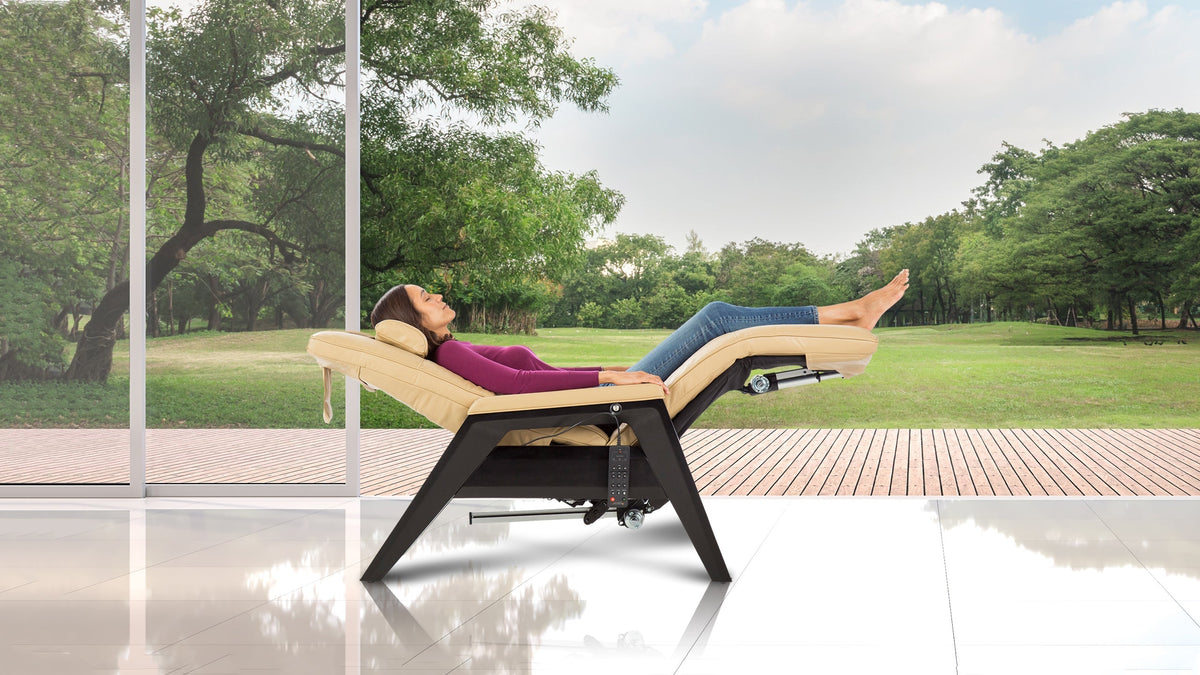
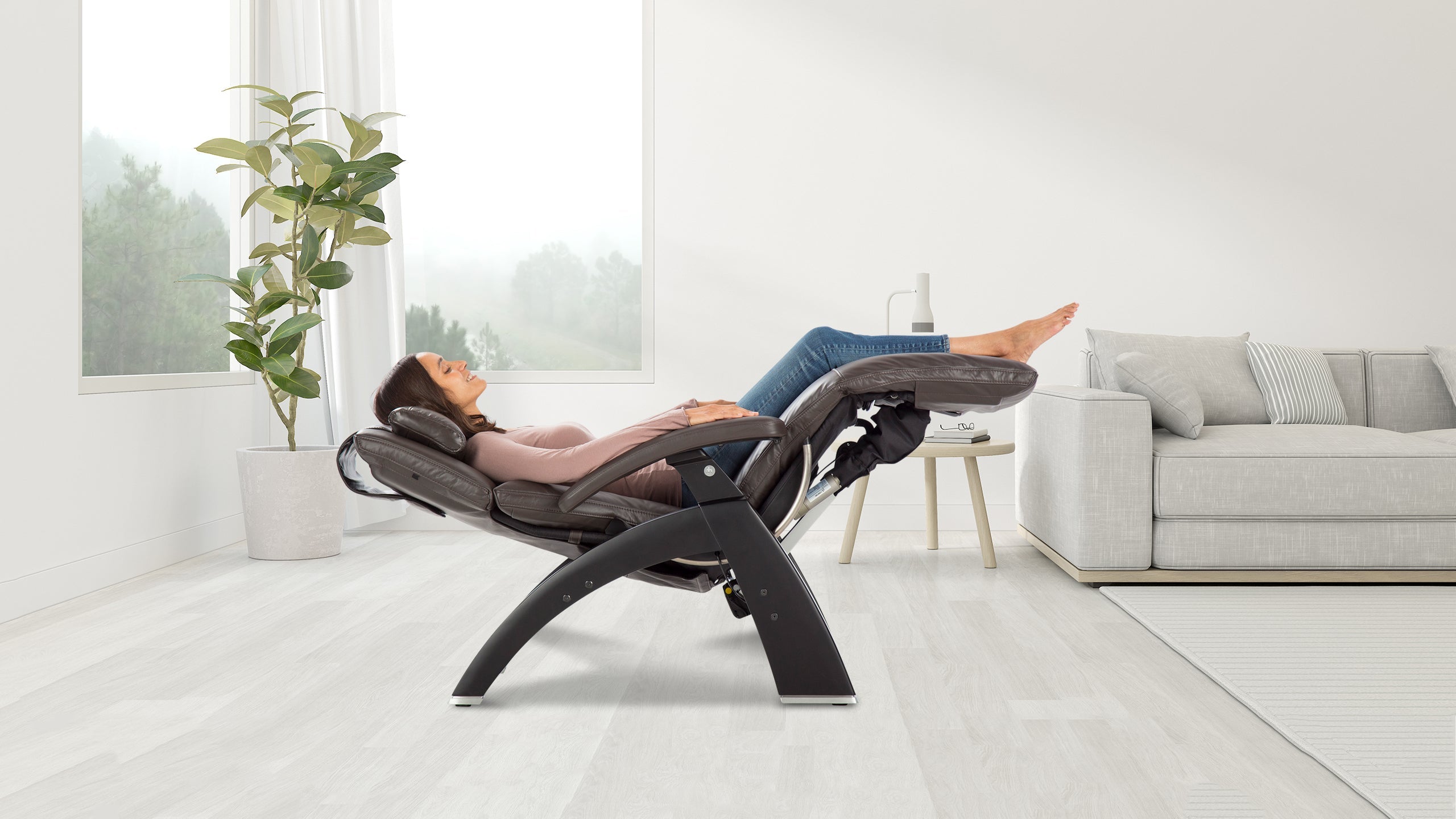
This is when your legs are elevated slightly above your heart, which helps take pressure off your spine and allows your body to fully relax.
When you combine that position with air compression, something interesting happens. Circulation improves even more, and your body doesn’t have to work as hard to move blood through your system.
The result is a deeper, more effortless kind of relaxation.
How to Add It Into Your Routine
You do not need a complicated plan to get the benefits.
A simple routine can go a long way:
In the evening
A 15 to 20 minute session after work can help you shake off the day and reset.
Before bed
Using it as part of your nighttime routine can make it easier to relax and fall asleep.
Anytime you feel tension building
Even a short session can help your body feel lighter and more at ease.
The key is consistency. The more regularly you use it, the more your body starts to respond. The practical advantage of at-home access to therapeutic massage means consistent use is effortless, eliminating the need for clinic visits.
What You’ll Notice Over Time
The first time you try air compression, you’ll probably notice how it feels.
After a few sessions, you may start to notice how your body responds.
Things like:
- Less tension in your legs and lower body
- A greater sense of calm after each session
- Better sleep on the nights you use it
- Feeling more refreshed instead of run down
It becomes less about the chair itself and more about how you feel afterward.
The Bottom Line
Air compression massage is one of those features you might not think much about at first, but once you experience it, it becomes something you look forward to.
It’s simple, consistent, and surprisingly effective.
And when it’s built into a massage chair, it gives you an easy way to relax, recover, and take care of your body without adding anything extra to your day. Air compression massage significantly improves circulation, with studies showing increased tissue oxygen saturation after 30 minutes of use. Explore massage chair buying guide.
Sometimes the best kind of relief is the kind that meets you where you are and helps you slow down, even if just for a few minutes.
Frequently Asked Questions
What does air compression massage feel like?
Air compression massage feels like gentle, rhythmic squeezing that moves up limbs or across body areas, resembling a blood pressure cuff but designed for comfortable, therapeutic relief.
How long should I use air compression massage for relaxation?
For relaxation, 15-20 minute sessions are generally recommended, but it is important to listen to your body and adjust the duration based on your personal response and comfort.
Is air compression massage better than traditional massage for relaxation?
Air compression massage excels in consistent pressure, convenience, and lymphatic benefits, while traditional massage offers personalized pressure and diverse techniques; they are complementary rather than mutually exclusive for relaxation.
Can air compression massage help me sleep better?
Yes, air compression massage can help you sleep better by calming the nervous system, and research shows that pre-bed relaxation massage can significantly improve sleep efficiency for individuals with insomnia symptoms. Explore best massage chairs for relaxation.
How often should I use air compression massage?
For ongoing relaxation benefits, daily use of air compression massage is often recommended, with flexibility to adjust based on individual schedules and stress levels.
What is the best position for air compression massage?
The zero gravity recline position is considered optimal for air compression massage, as it enhances circulation and reduces pressure points, maximizing the therapy's effectiveness by elevating the legs above the heart.
Does air compression massage really improve circulation?
Yes, air compression massage significantly improves circulation by promoting venous return and lymphatic flow through sequential compression, with studies showing increased tissue oxygen saturation after 30 minutes of use. Explore massage chair buying guide.
Can I use air compression massage if I have circulation issues?
While air compression is generally gentle, individuals with pre-existing circulation issues should consult their healthcare provider before beginning any new therapy to ensure it is appropriate for their specific condition.
How is air compression different from vibration massage?
Air compression massage uses deep, rhythmic squeezing to affect deeper tissue layers and promote fluid movement, whereas vibration massage applies surface-level oscillating movements primarily for muscle stimulation.
What makes Human Touch air compression systems effective for relaxation?
Human Touch air compression systems are effective for relaxation due to their advanced engineering, customizable intensity levels, and seamless integration with zero gravity positioning, ensuring optimal therapeutic results. Explore ways to relax at home.
Key Terms Glossary
Air Compression Massage: A therapeutic technique using inflatable chambers to apply rhythmic pressure to body parts, enhancing circulation and promoting relaxation.
Lymphatic Drainage: The process of moving lymphatic fluid to remove toxins and waste products from the body, aided by mechanical compression.
Parasympathetic Nervous System: The part of the autonomic nervous system responsible for the body's rest and digest functions, promoting relaxation and recovery.
Zero Gravity Positioning: A reclined position that elevates the legs above the heart, distributing body weight evenly to reduce spinal pressure and enhance circulation.
Tissue Oxygen Saturation (rSO2): A physiological metric indicating the amount of oxygen present in the tissues, often improved by enhanced circulation from compression therapy.
Intermittent Pneumatic Compression (IPC): A medical and wellness therapy that uses inflatable sleeves to apply sequential pressure, primarily for circulation and fluid management.