
A tough workout is something to be proud of, but the sore muscles that follow can make it tempting to skip your next session. The good news is that a few simple recovery habits can help you feel better sooner and get back to doing what you enjoy.
At Human Touch®, we believe recovery deserves just as much attention as exercise. When you pair science backed recovery methods with the right wellness tools, you can ease discomfort, support your body's natural healing process, and stay consistent with your fitness routine.
Understanding Muscle Soreness After Exercise
That stiffness you feel a day or two after a challenging workout is known as Delayed Onset Muscle Soreness (DOMS). It most often happens after unfamiliar or intense exercise, especially movements that involve eccentric contractions, where muscles lengthen while under tension.
Contrary to the old belief that lactic acid causes soreness, DOMS is actually linked to tiny tears in muscle fibers followed by your body's natural inflammatory response. A 2024 review published in the German Journal of Sports Medicine explains how this process helps muscles adapt and become stronger over time. The Cleveland Clinic notes that soreness typically begins 6 to 24 hours after exercise and usually peaks between 24 and 72 hours. Most people recover within 5 to 7 days, although soreness lasting longer may be worth discussing with a healthcare provider, according to GoodRx.
The right recovery routine won't eliminate DOMS completely, but it can help you stay comfortable while your body does the work of rebuilding stronger muscles.
1. Relax in a Zero Gravity Position
Sometimes the best thing you can do after a workout is simply give your body a chance to recover.
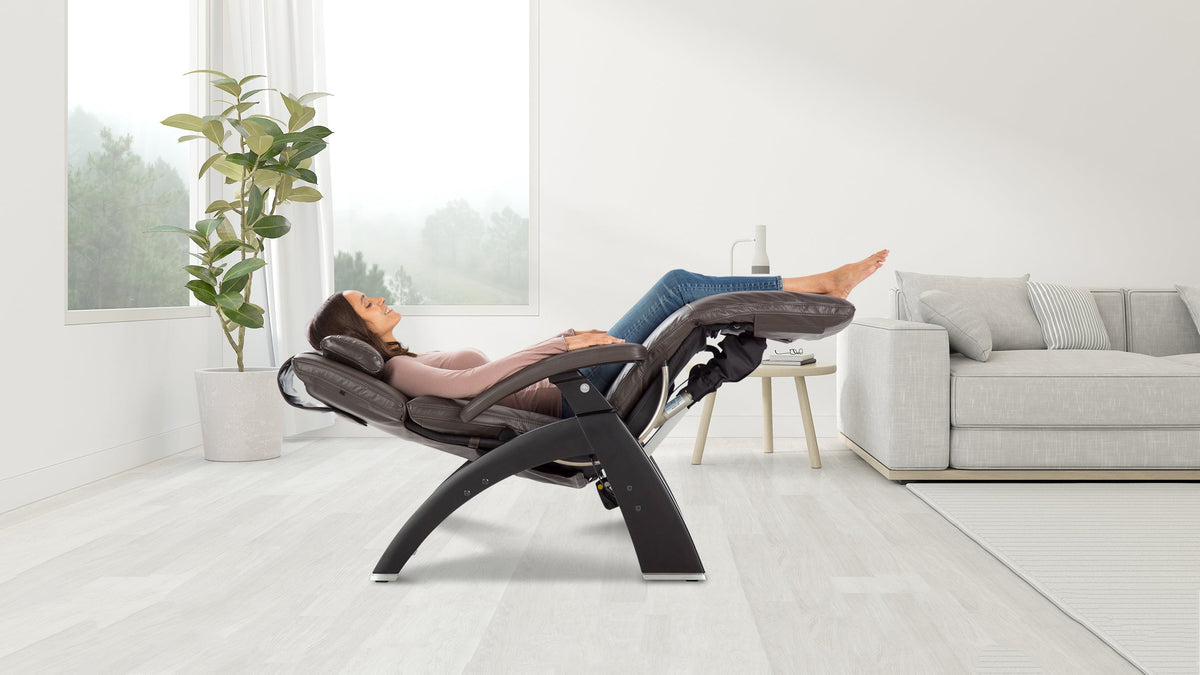
Zero Gravity positioning elevates your legs above your heart, helping reduce pressure on your spine while encouraging healthy circulation. Inspired by NASA's neutral body posture, this position distributes your weight more evenly so your muscles and joints can fully relax.
Some benchmarks referenced in a 2024 analysis suggest Zero Gravity positioning may reduce spinal disc compression by approximately 25% compared to lying flat, making it a comfortable position for post workout recovery.
Spending 15 to 20 minutes in Zero Gravity after exercise may help:
- Improve circulation.
- Reduce pressure on sore muscles and joints.
- Support the body's natural recovery process.
- Encourage the movement of excess fluid that can contribute to swelling.
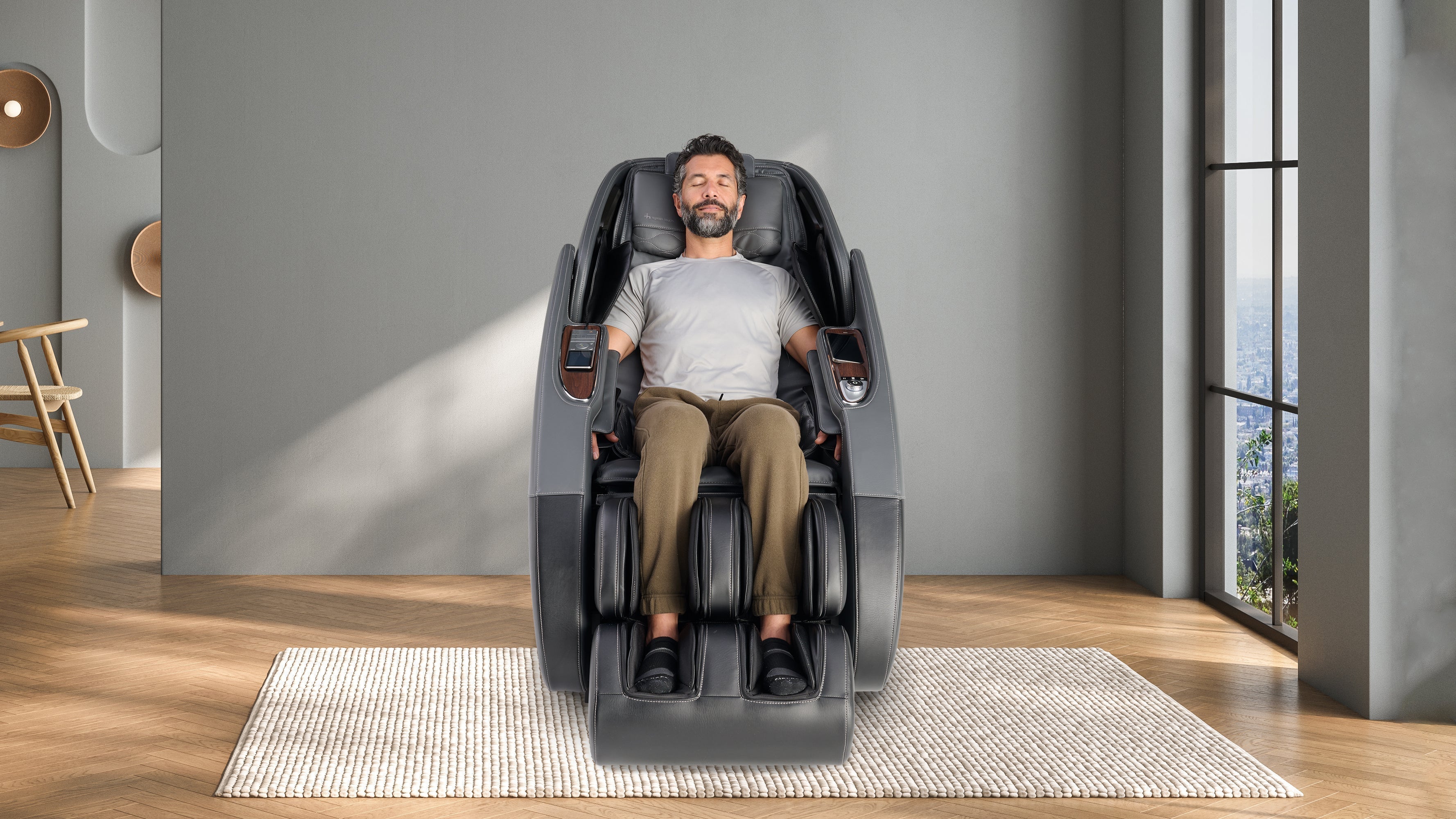
The Perfect Chair® PC-610 Omni-Motion Recliner makes it easy to enjoy the benefits of Zero Gravity from the comfort of home. Whether you're recovering after strength training, a long run, or simply a busy day on your feet, it's designed to help you relax while supporting healthy posture and full body comfort.
2. Let Massage Do Some of the Work
Massage has long been one of the most popular recovery tools, and research continues to support its benefits for sore muscles.
A 2024 meta-analysis found that massage provides a small to moderate reduction in delayed onset muscle soreness, with the greatest improvements typically occurring 48 to 72 hours after exercise. While massage may not dramatically improve athletic performance, it can help reduce muscle tension, increase flexibility, and simply help you feel better while your muscles recover. Earlier findings from a 2020 meta-analysis also concluded that massage primarily supports symptom relief rather than measurable performance gains.
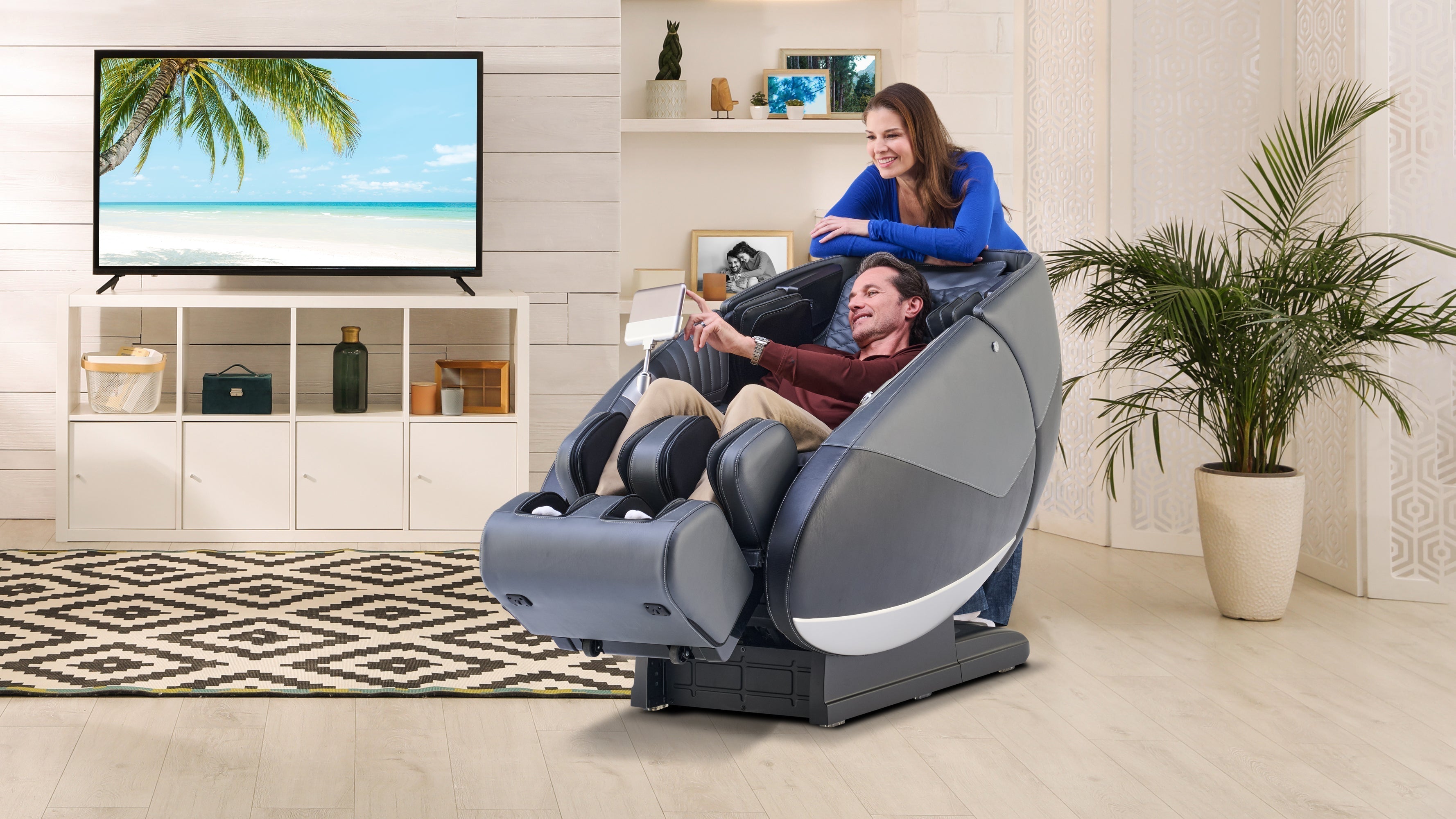
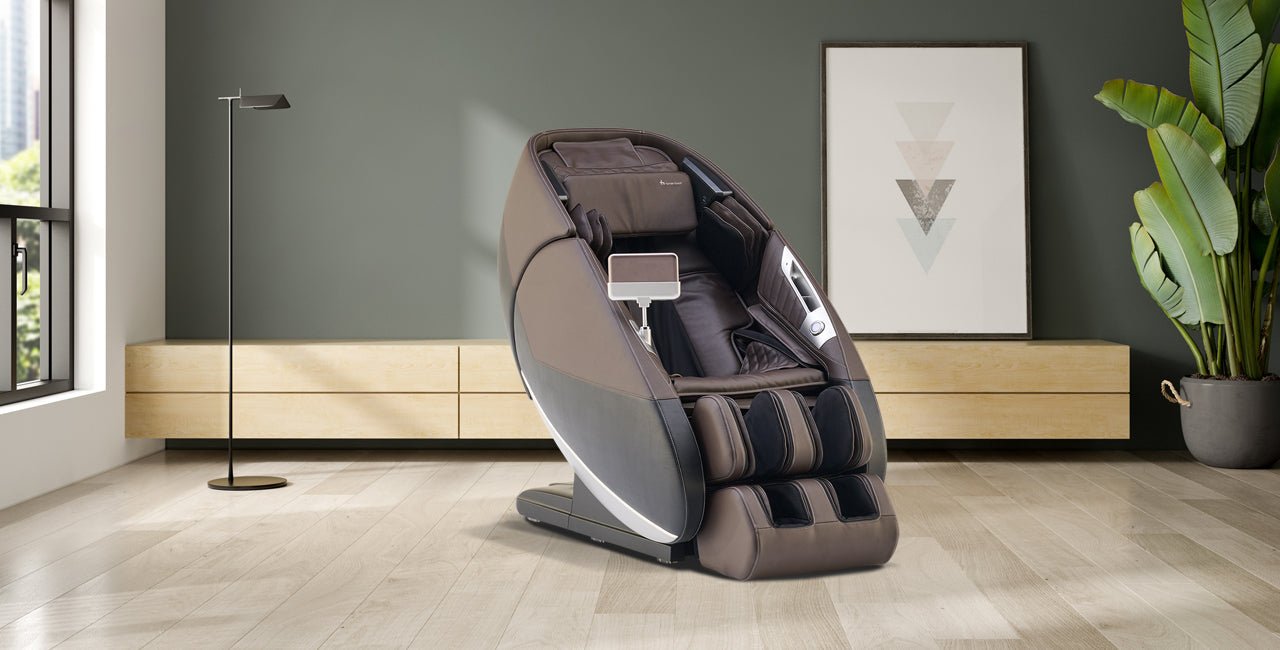
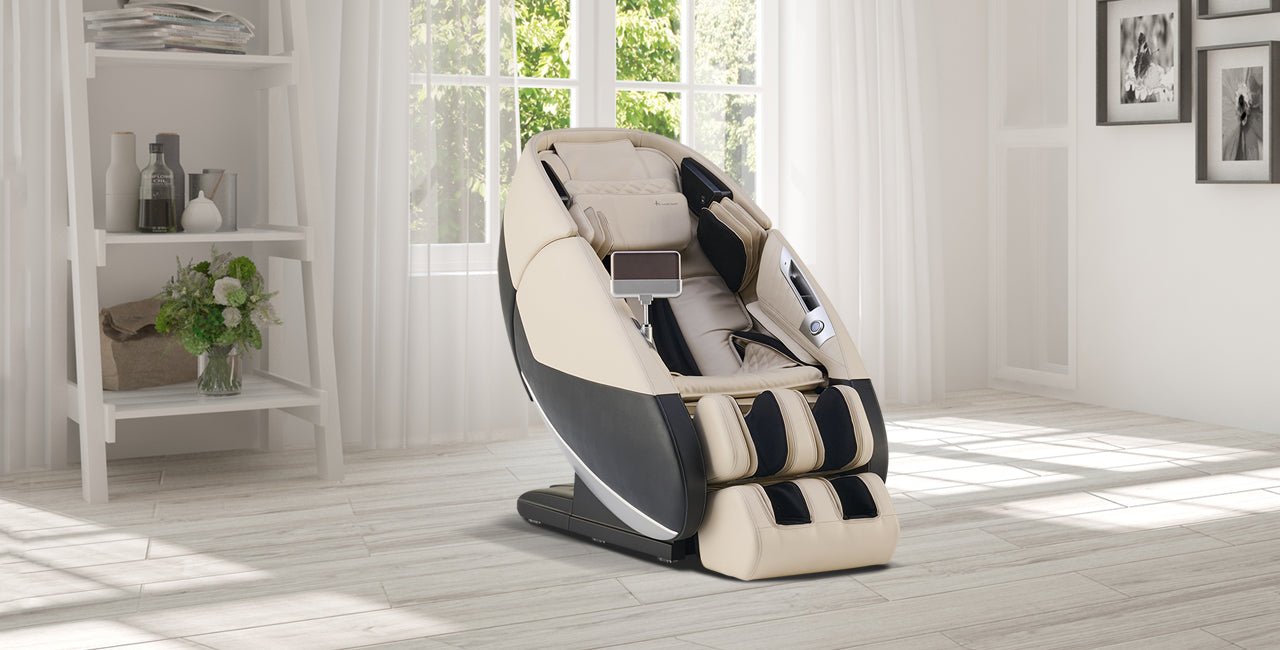
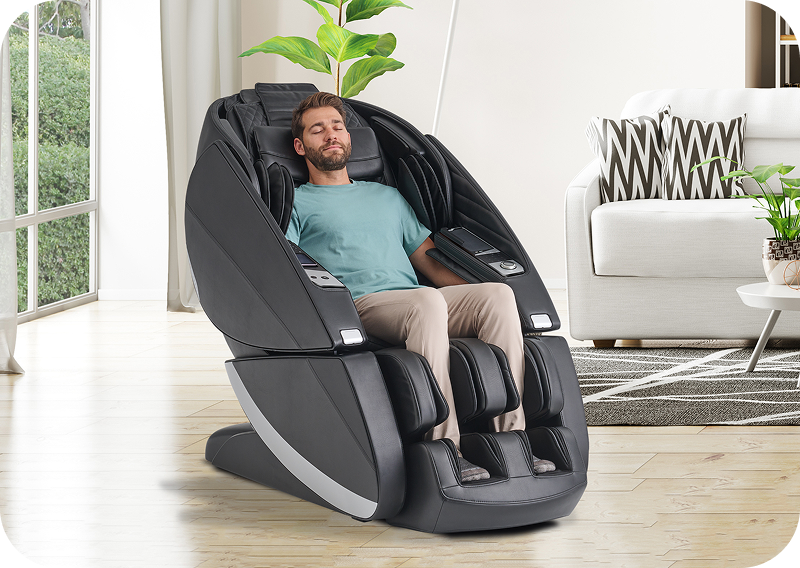
If you're looking for a premium recovery experience, the Super Novo® 3.0 Massage Chair combines advanced massage technology with immersive wellness programs that help target sore muscles from your shoulders to your calves. If space is a consideration, the Novo Flex Massage Chair offers many of the same therapeutic benefits in a more compact design that's ideal for apartments, home gyms, and multipurpose living spaces.
Even 10 to 15 minutes of massage each day can become an easy part of your recovery routine. If you're interested in choosing the right chair for your training goals, explore our guide to the best massage chair for athletic recovery.
3. Use Heat and Cold at the Right Time
Heat and cold therapy have both been shown to help manage muscle soreness, but timing makes all the difference.
A 2021 systematic review and meta-analysis of 32 randomized controlled trials found that both heat and cold therapies reduced pain associated with DOMS, with hot pack therapy ranking highest for pain relief within the first 48 hours after exercise.
For the best results:
- Use cold therapy during the first 24 to 48 hours if you're experiencing swelling or acute discomfort. Applying an ice pack for 10 to 15 minutes can help reduce inflammation and temporarily numb pain, as recommended by the Cleveland Clinic.
- Switch to heat therapy after 48 hours to increase circulation, relax tight muscles, and ease lingering stiffness, according to Johns Hopkins Medicine.
- Some people also benefit from alternating hot and cold applications to stimulate circulation, although researchers continue to study whether contrast therapy provides additional benefits specifically for DOMS.
Combined with Zero Gravity positioning and therapeutic massage, heat and cold therapy can become an important part of a balanced recovery routine that helps you stay active and ready for your next workout.
4. Stay Active and Stay Hydrated
When your muscles are sore, complete rest isn't always the fastest path to feeling better. In many cases, light movement helps your body recover by increasing circulation without placing additional stress on your muscles.
A report summarized by aiHavit highlighted research showing that 20 minutes of light cycling reduced perceived muscle soreness by 17% after 24 hours in trained athletes.
Simple activities can make a difference, including:
- Walking around the neighborhood.
- Easy cycling.
- Gentle swimming.
- Light stretching or mobility exercises.
Aim to keep your activity between 30% and 60% of your maximum heart rate for 10 to 30 minutes. This level of movement encourages blood flow without interfering with your recovery.
Hydration is just as important. Proper fluid intake supports every stage of muscle repair, and dehydration may increase the severity of DOMS, according to GoodRx.
While light movement works well for most post workout soreness, there are times when your body simply needs rest. Experts interviewed by The New York Times note that complete rest is often the better choice if you're experiencing significant muscle damage or overall fatigue.
Home Recovery Methods Comparison
Whether you rely on one recovery method or combine several together, each plays a different role in helping your body feel its best.
| Recovery Method | Time to Relief | Ease of Use | Best For | Scientific Support |
|---|---|---|---|---|
| Zero Gravity Positioning | 15 to 30 minutes | High | Circulation, pressure relief, relaxation | Moderate, based on a 2024 comfort analysis |
| Massage Therapy | Immediate to 48 hours | High | Reduced soreness, muscle tension | Moderate, according to a 2024 meta-analysis |
| Cold Therapy | Immediate | High | Swelling and inflammation during the first 48 hours | Moderate, based on a 2021 meta-analysis |
| Heat Therapy | 30 to 60 minutes | High | Stiffness and lingering soreness after 48 hours | Moderate, according to a 2021 systematic review |
| Active Recovery | 1 to 2 hours | High | Reduced stiffness and improved circulation | Moderate, summarized by aiHavit |
| Hydration | Ongoing | High | Overall recovery and muscle function | Strong, with dehydration increasing DOMS risk according to GoodRx |
Key Takeaways
- DOMS is caused by microscopic muscle damage and typically peaks 24 to 72 hours after exercise.
- Zero Gravity positioning helps reduce pressure on the body while encouraging healthy circulation.
- Massage therapy can reduce soreness and muscle tension, especially 48 to 72 hours after a workout.
- Cold therapy works best during the first 48 hours, while heat therapy becomes more beneficial as stiffness develops.
- Light activity and proper hydration can help reduce soreness and support recovery.
- Combining multiple recovery methods often delivers the best results.
Recover Better So You Can Keep Moving
Sore muscles are a normal part of getting stronger, but they don't have to slow you down. Building a recovery routine that includes movement, hydration, therapeutic massage, and Zero Gravity positioning can help you feel better sooner and stay consistent with your fitness goals.
If you're looking for a simple way to enjoy the benefits of Zero Gravity every day, the Perfect Chair® PC-610 Omni-Motion Recliner provides exceptional comfort and ergonomic support. For homes where space is at a premium, the Novo Flex Massage Chair delivers therapeutic massage in a compact footprint. And if you want the most advanced recovery experience available, the Super Novo® 3.0 Massage Chair combines immersive massage programs with premium comfort to help you recover after every workout.
The best recovery plan is one you'll stick with. By listening to your body and making recovery part of your routine, you'll be ready for whatever challenge comes next.
Frequently Asked Questions
What is the fastest way to relieve muscle soreness after a workout?
Combining Zero Gravity positioning with therapeutic massage is one of the quickest ways to ease sore muscles by improving circulation and reducing muscle tension. While many people feel relief within 15 to 30 minutes, complete muscle recovery still typically takes 24 to 72 hours.
How long does muscle soreness last after exercise?
DOMS usually develops 6 to 24 hours after exercise, peaks between 24 and 72 hours, and improves within 5 to 7 days. If soreness lasts longer, it's a good idea to speak with a healthcare professional, according to GoodRx.
Should I use ice or heat for sore muscles after working out?
Ice is generally the better choice during the first 24 to 48 hours if you're experiencing swelling or inflammation. After that, heat can help relax tight muscles and improve circulation. A 2021 systematic review found that both methods can reduce pain when used appropriately.
Is it better to rest or stay active when muscles are sore?
For most people, light activity such as walking or cycling helps reduce stiffness and soreness more effectively than complete rest. However, if you're experiencing significant fatigue or muscle damage, allowing your body additional rest may be the better option.
Can Zero Gravity chairs help with muscle recovery?
Yes. Zero Gravity positioning elevates your legs above your heart, helping reduce pressure on your spine while encouraging healthy circulation. Chairs like the Perfect Chair® PC-610 Omni-Motion Recliner are designed to make this comfortable position easy to enjoy at home.
Key Terms Glossary
Delayed Onset Muscle Soreness (DOMS): Muscle pain and stiffness that typically develops 6 to 24 hours after exercise and peaks between 24 and 72 hours. Learn more from the Cleveland Clinic.
Eccentric Contractions: Muscle movements where the muscle lengthens while under tension, often contributing to DOMS after strenuous exercise.
Zero Gravity Positioning: A reclined posture that elevates the legs above the heart to reduce pressure on the spine and encourage healthy circulation.
Active Recovery: Low intensity exercise performed after strenuous activity to promote blood flow and reduce muscle stiffness.
Therapeutic Massage: Manual or automated massage designed to reduce muscle tension, improve circulation, and ease soreness.
Contrast Therapy: Alternating between hot and cold therapy to stimulate circulation and temporarily relieve muscle discomfort.