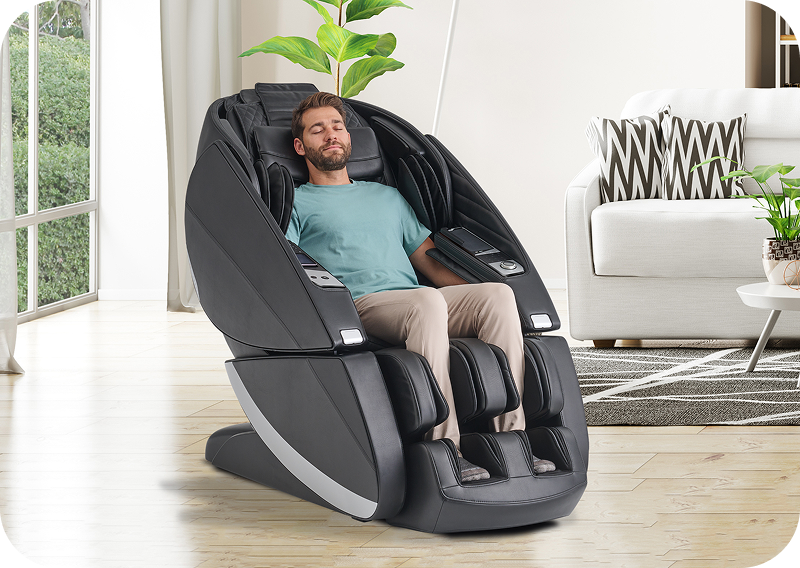

If your legs ever feel heavy or tired after sitting or standing for hours, giving them a chance to elevate and relax can make a noticeable difference in how you feel.
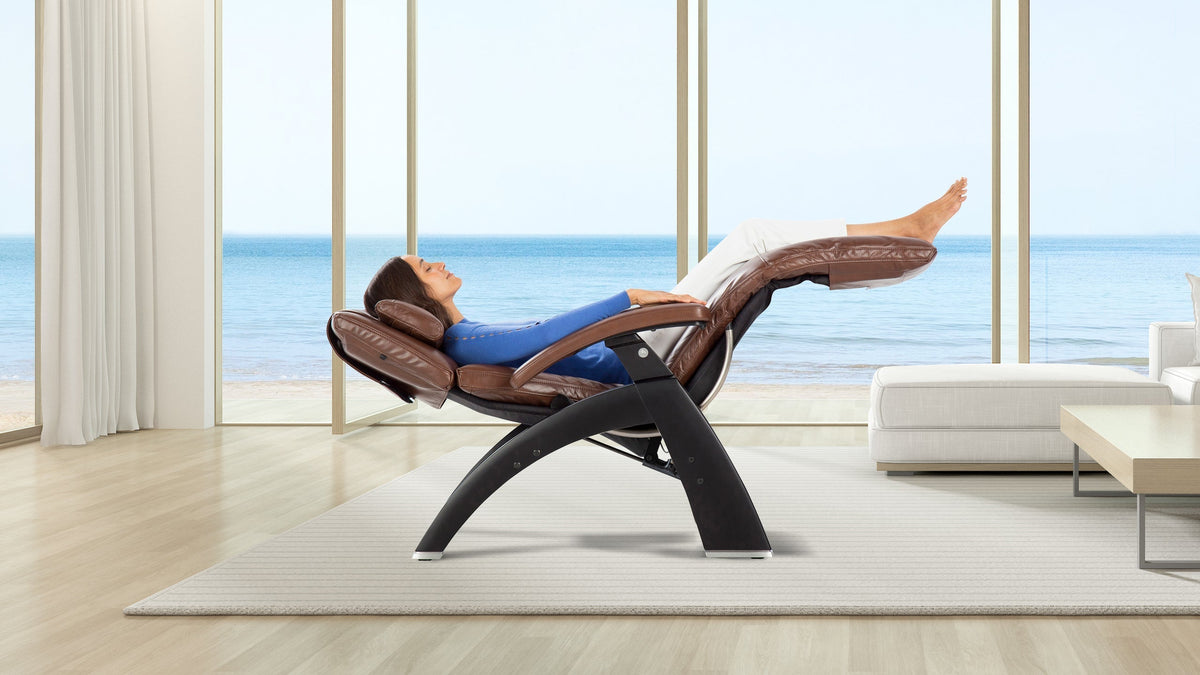
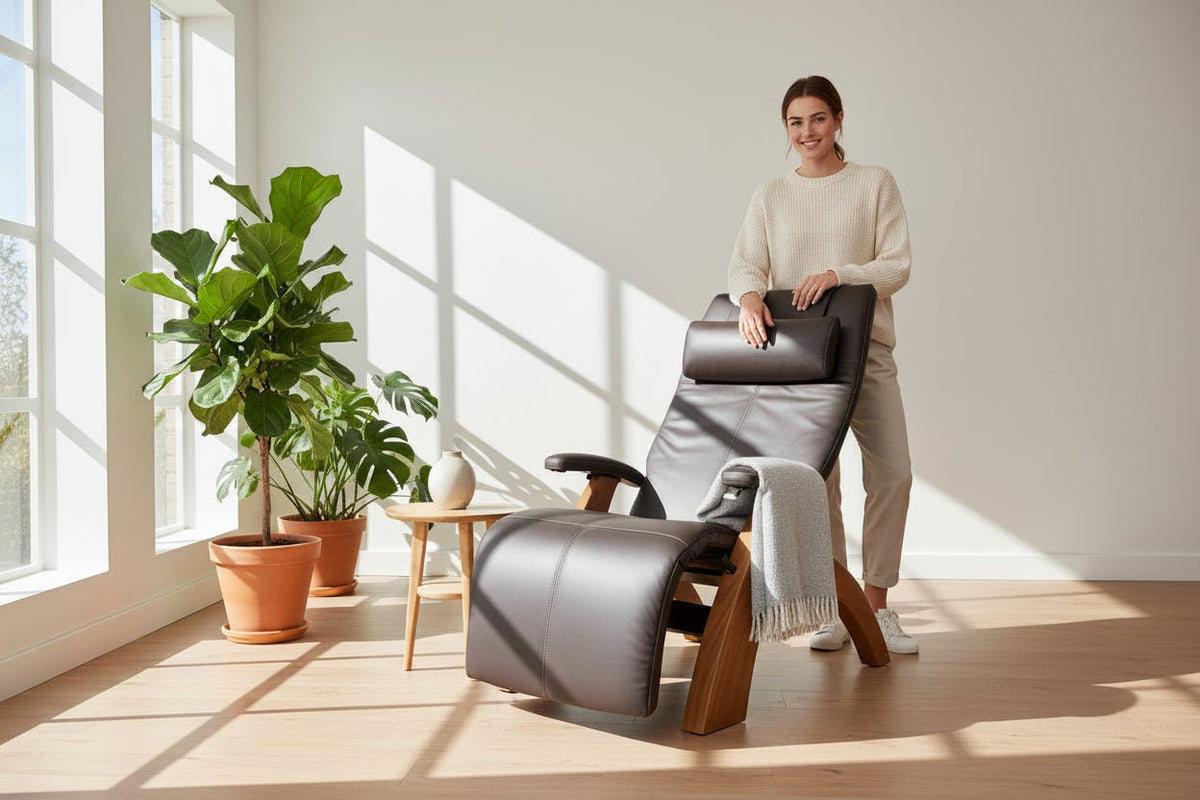
Zero Gravity recliners are designed to place your body in a comfortable, supported position with your legs elevated and your weight distributed more evenly. Inspired by NASA's neutral body posture, this position can support venous return and help reduce some of the lower body pressure that comes with spending long periods upright.
Here's how it works and what to look for when choosing a Zero Gravity recliner for everyday wellness.
How Zero Gravity Positioning Affects Blood Flow
When you're sitting upright, gravity naturally makes it more difficult for blood in your lower legs to return toward your heart. Your body normally manages this through muscle contractions, valves in your veins, and changes in pressure.
Elevating the legs changes that relationship. Research examining cardiovascular responses to posture has shown that body positioning affects venous return and central circulation, according to the Journal of Applied Physiology.
NASA researchers have also studied head down tilt as a way to simulate some cardiovascular effects of reduced gravity. Those studies found changes in central venous pressure and heart filling when the body's position changed, as documented in NASA cardiovascular research.
Compared with ordinary upright sitting, reclined positioning can change how gravity affects circulation and pressure throughout the body, as explored in research comparing reclining and tilt positions. You can also explore more about the health benefits of Zero Gravity positioning.
Some of the biggest benefits of the position include:
- Less Lower Leg Pooling: Elevating the legs can make it easier for fluid to move away from the lower extremities.
- Support for Venous Return: Leg elevation uses gravity to assist blood traveling back toward the heart.
- More Even Weight Distribution: A reclined posture helps spread pressure across the body rather than concentrating it around the hips and lower back.
Zero Gravity vs. Standard Recliners
| Feature | Zero Gravity Recliner | Standard Recliner |
|---|---|---|
| Leg elevation | Can elevate legs above heart level | Usually around hip level or below |
| Venous return support | Strong support through positioning | More limited |
| Lower body pressure | Reduced through elevation | Some reduction |
| Swelling support | Better suited to leg elevation | Limited |
| Weight distribution | More evenly distributed | More pressure around hips and back |
| Positioning | Designed around neutral posture | Primarily designed for comfort |
Who Can Benefit From Zero Gravity Recliners?
Zero Gravity seating can be especially appealing if you spend much of your day sitting or standing.
Office workers, frequent travelers, retail employees, and anyone whose legs tend to feel tired at the end of the day may appreciate regular periods of elevation. General health guidance often recommends elevating the legs above heart level for short periods when dealing with mild swelling, as discussed in this guide to proper leg elevation.
Research reviewing lower limb swelling also supports elevation as one approach that may help encourage fluid drainage and manage discomfort in appropriate situations, according to this vascular nursing evidence review.
At Human Touch®, two options make it easy to build Zero Gravity into your everyday routine.
The Perfect Chair® PC-365 Classic Power Recliner focuses on simplicity and comfort. Its powered recline smoothly guides you into Zero Gravity while its contoured seating supports ergonomic alignment throughout the recline.
For greater control, the Perfect Chair® PC-610 Omni-Motion Recliner lets you independently adjust your recline angle and leg elevation. That flexibility makes it especially useful when you want to fine tune your position throughout the day.
You can also learn more about massage chairs and circulation.
It's important to keep the benefits in perspective. Leg elevation can temporarily support venous return, but it does not strengthen the heart or prevent cardiovascular disease, as medical experts have clarified when discussing leg elevation and heart health.
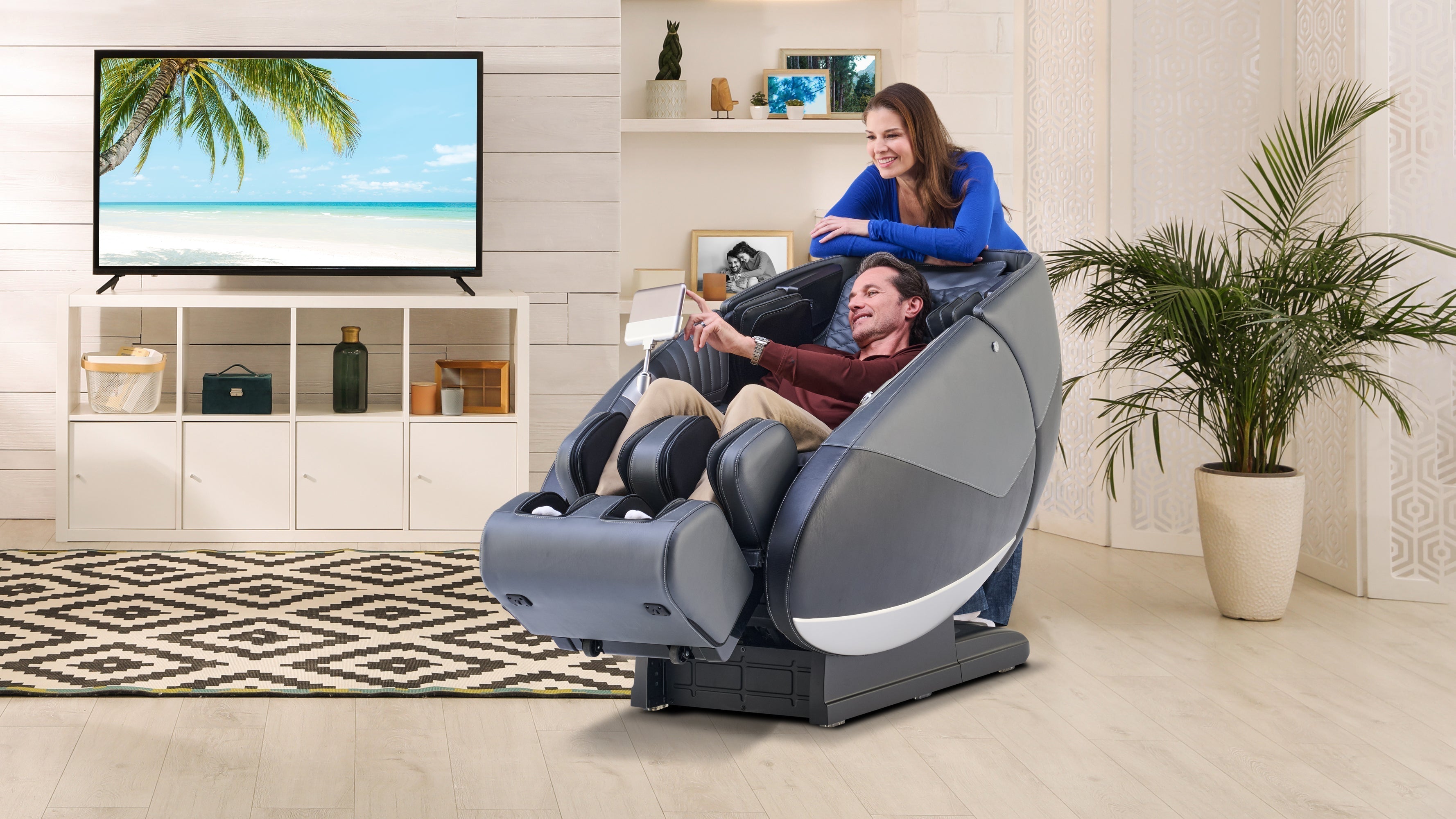
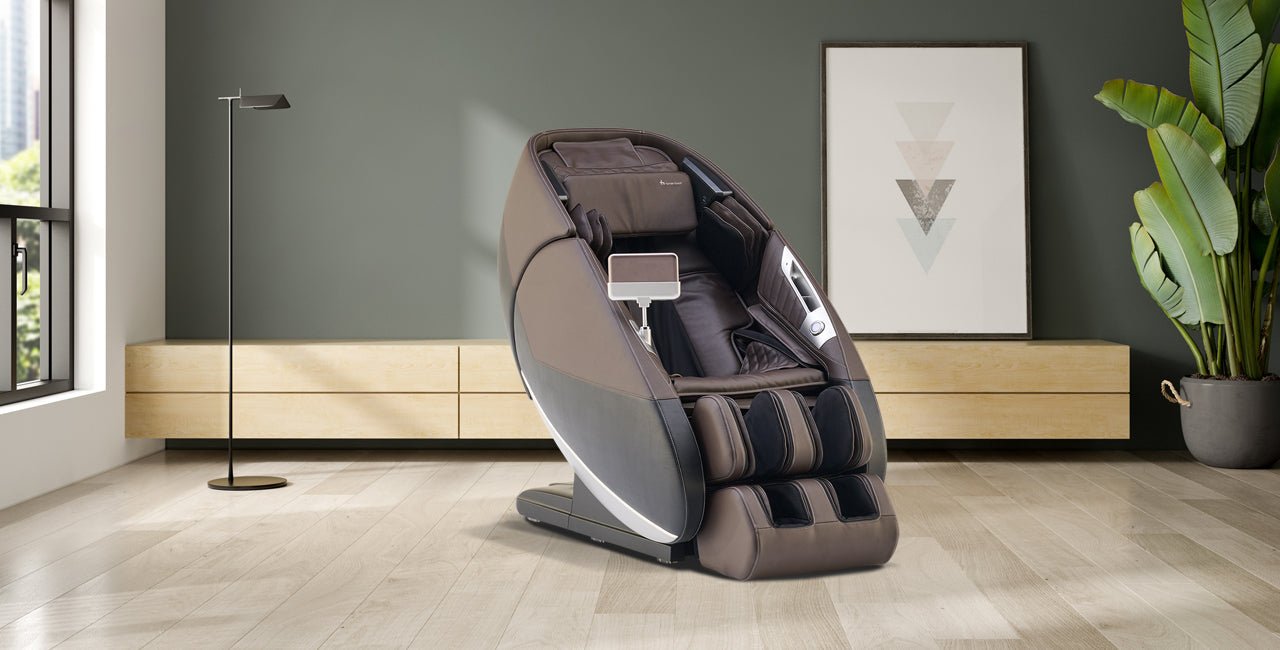
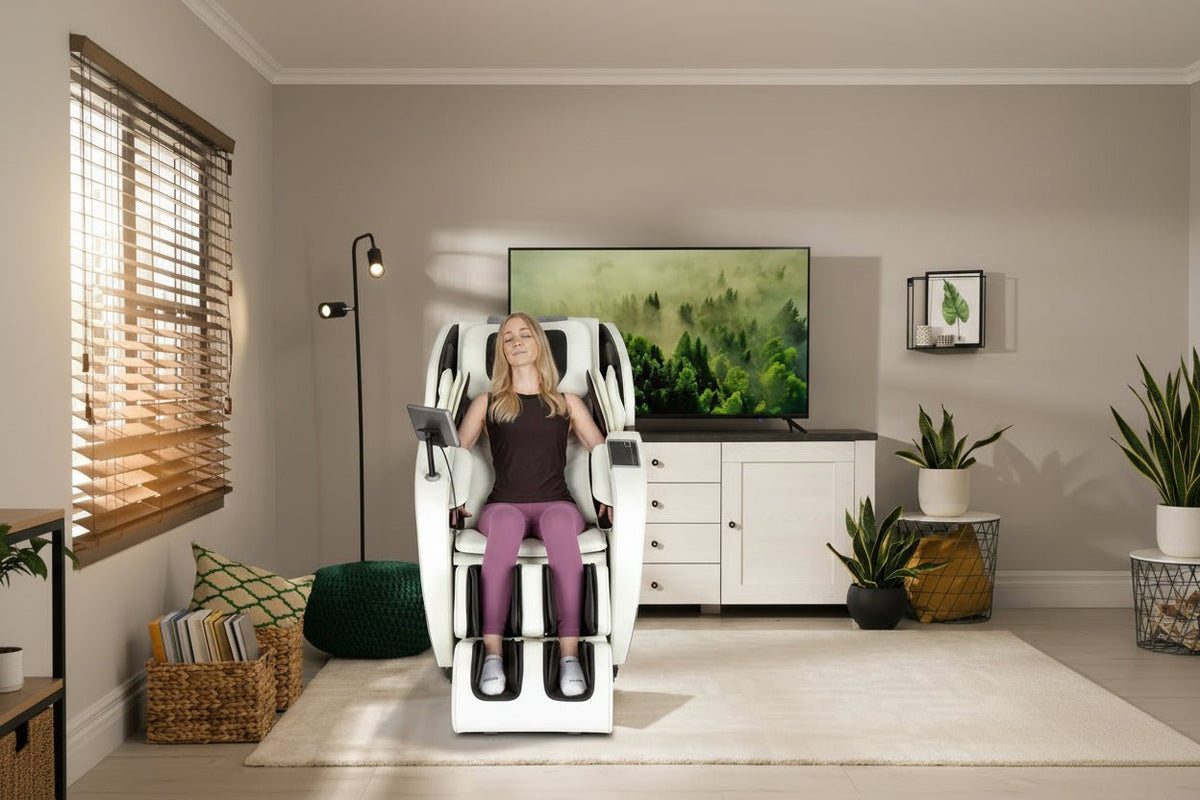
If you're new to the concept, here's a deeper look at how a Zero Gravity chair works.
Key Takeaways
- Zero Gravity recliners elevate the legs and distribute body weight more evenly.
- Leg elevation can support venous return and reduce fluid pooling in the lower extremities.
- The position can be especially comfortable after long periods of sitting or standing.
- The Perfect Chair® PC-365 offers simple powered Zero Gravity positioning.
- The Perfect Chair® PC-610 adds independent control over recline and leg elevation for a more personalized experience.
Make Recovery Part of Your Day
You don't need a complicated wellness routine to give tired legs a break. Sometimes, simply changing your position and elevating your legs for a while can help you feel more comfortable.
The Perfect Chair® PC-365 is a great fit for anyone looking for effortless powered Zero Gravity in a straightforward design. The Perfect Chair® PC-610 offers more control for those who want to customize their back and leg positions independently.
Whichever you choose, regular movement still matters. Walking, stretching, and changing positions throughout the day should remain part of a healthy routine.
You can explore more about choosing Zero Gravity seating for everyday wellness.
Frequently Asked Questions
How does a Zero Gravity chair help with circulation?
Zero Gravity positioning elevates your legs and changes how gravity affects blood flow from your lower extremities. This can support venous return and reduce fluid pooling compared with prolonged upright sitting.
Can Zero Gravity recliners reduce leg swelling?
Leg elevation may help reduce mild swelling by encouraging fluid to move away from the lower legs. Persistent, unexplained, painful, or sudden swelling should be evaluated by a healthcare professional.
How long should I sit in a Zero Gravity chair for circulation benefits?
Many people start with 15-to-20-minute sessions and adjust based on comfort. Some leg elevation guidance recommends several short sessions throughout the day, but individual needs vary.
Is Zero Gravity positioning good for your heart?
Zero Gravity positioning can temporarily influence venous return and cardiovascular loading, but it should not be viewed as a way to strengthen the heart or prevent heart disease. Learn more about Zero Gravity chair health benefits and explore the Human Touch® Zero Gravity recliner collection.
What is the best Zero Gravity chair for circulation support?
For simple powered Zero Gravity positioning, the Perfect Chair® PC-365 is an excellent option. If you want more control over your posture, the Perfect Chair® PC-610 allows independent adjustment of your recline angle and leg elevation.
Key Terms Glossary
Zero Gravity Positioning: A reclined posture that elevates the legs and distributes body weight more evenly.
Venous Return: The flow of blood through the veins back toward the heart.
Cardiac Workload: The amount of work the heart performs to circulate blood throughout the body.
Edema: Swelling caused by excess fluid collecting in body tissues, often affecting the feet, ankles, or legs.
Circulatory System: The network of the heart and blood vessels responsible for moving blood, oxygen, nutrients, and waste products throughout the body.