


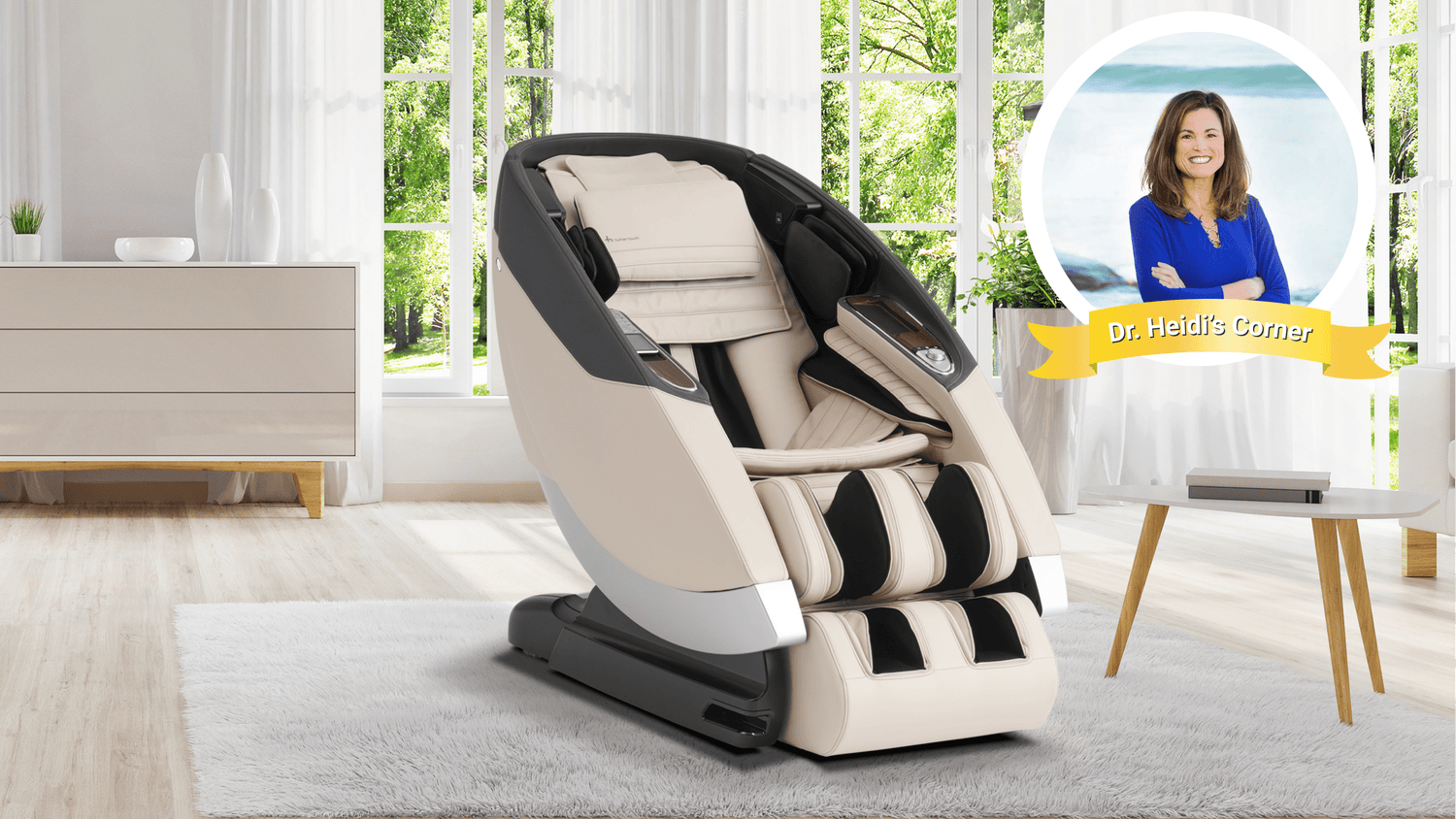
Embracing Healthy Aging: Why Massage Matters More Than Ever
As I climb “the hill” toward another milestone birthday, I’ve found myself paying closer attention to both my mental and physical health. The journey hasn’t been easy—it’s taken plenty of blood, sweat, and tears—but I’m grateful for the meaningful changes I’ve made in my habits and environment. Those shifts have helped me move into this next decade feeling healthier, more grounded, and more optimistic.
One practice that has become especially important to me is massage. While often viewed as a luxury, massage therapy plays a powerful role in supporting healthy aging—backed by growing scientific research.
The Benefits of Massage for Healthy Aging
As we age, maintaining mobility, managing stress, and supporting overall well-being become increasingly important. Massage therapy is an effective, yet frequently overlooked, tool that can support both physical and mental health as we get older.
1. Improved Circulation
Massage therapy helps stimulate blood flow, which is particularly beneficial as circulation naturally slows with age. Improved circulation allows oxygen and nutrients to reach muscles and tissues more efficiently, supporting healing and reducing the risk of age-related issues. Research published in the International Journal of Therapeutic Massage and Bodywork found that massage significantly increased circulation in older adults, contributing to better overall health outcomes.
2. Reduced Pain and Muscle Tension
Chronic pain, stiffness, and joint discomfort are common with aging, often due to arthritis or reduced mobility. Studies show that massage therapy can help relieve pain and decrease muscle tension. A meta-analysis published in Pain Medicine identified massage as an effective option for managing chronic pain.
3. Enhanced Mental Health and Mood
Aging can bring emotional challenges, including increased stress, anxiety, or depression. Massage therapy has been shown to lower cortisol while boosting serotonin and dopamine—chemicals associated with improved mood and relaxation. Research in Psychological Bulletin supports massage as an effective way to enhance emotional well-being.
4. Better Sleep Quality
Quality sleep is essential for healthy aging, yet many adults experience insomnia or disrupted sleep as they get older. Massage promotes relaxation and nervous system regulation, helping improve sleep quality. A study in the Journal of Clinical Psychology found that massage therapy reduced insomnia symptoms and supported more restful sleep.
5. Improved Flexibility and Range of Motion
Loss of flexibility and mobility can increase the risk of falls and injuries over time. Massage therapy helps keep muscles and joints supple, supporting better range of motion and making everyday movement easier. Research published in Complementary Therapies in Clinical Practice showed that regular massage can improve joint flexibility and help older adults maintain a more active lifestyle.
A Holistic Approach to Aging Well
Incorporating massage into a regular wellness routine offers wide-ranging benefits—from improved circulation and pain relief to better sleep and emotional health. While it’s always important to consult with a healthcare professional before starting any new treatment, massage therapy can be a powerful way to support a healthier and happier life as we age.
References
- Field, T., et al. (2014). International Journal of Therapeutic Massage and Bodywork.
- Cherkin, D. C., et al. (2016). Pain Medicine.
- Moyer, C. A., et al. (2011). Psychological Bulletin.
- Hepworth, J., et al. (2013). Journal of Clinical Psychology.
- Duncan, R., et al. (2015). Complementary Therapies in Clinical Practice.